
Worms eat human manure: what you need to know
Yes, compost worms eat human manure and turn it into castings, which is the idea behind worm composting toilets that save flush water. But human faeces can carry pathogens and parasite eggs that worms don’t reliably kill. Keep it in a separate system, don’t use the result on edible crops unless it’s properly treated, and follow your local regulations.
Worms eat human manure and can help reduce the pressure on municipal water treatment plants. According to a report by Ron Fleming and Marcy Ford of the University of Guelph, one person produces on average about 160 g of total solids a day, which a flush toilet dilutes in more than 220 L / 58 US gallons of waste water. That is roughly 80,000 L / 21,000 US gallons a year per person, just to get rid of our excrement, while less than 1% of the water on our planet is fresh water we can use.
Compost worms live on almost any organic matter that has started to decompose. Offered human excrement, they will gladly eat it and turn it into worm castings. What’s stopping more of us from using worm-driven compost toilets at home?
The full answer
I wrote the original article years ago because I find the amount of drinking water we flush away hard to accept. In nearly 30 years of worm farming, first in South Africa and then in Germany, I’ve also learned to be careful: human manure needs more caution than kitchen scraps.
Can compost worms really eat human manure?
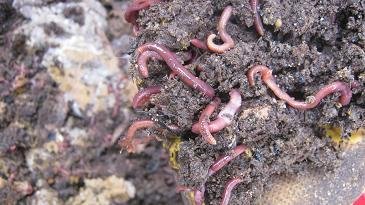
Yes. Red wigglers (Eisenia fetida) and European nightcrawlers eat human faeces just as they eat animal manures. This is called vermicomposting toilets or vermifiltration, and it’s used in some composting toilets and on-site sanitation systems around the world. The worms break the material down quickly, reduce its volume and odour, and turn it into castings.
Is worm-composted human manure safe?
Not automatically. Human faeces can carry disease-causing bacteria, viruses and parasite eggs (for example E. coli, Salmonella, hepatitis A and roundworm eggs). Worms reduce many pathogens, but research shows they don’t reliably kill all of them, especially hardy roundworm (Ascaris) eggs.
Treat the material as potentially infectious, and only consider it safe after a long, properly managed treatment and storage period that follows your local health guidelines.
Can I use it on my vegetable garden?
Not on edible crops, unless it has been properly treated to a recognised standard (for example, long secondary storage or thermophilic composting that meets your local rules). The safe default is to use it only around ornamental plants, trees and shrubs, dug in below the surface and never on leaves or fruit you eat. Never use it on root vegetables or salad crops.
How do I handle it safely?
- Wear gloves and wash your hands thoroughly afterwards.
- Keep a separate, dedicated system, never mixed with your kitchen worm bin whose castings go on vegetables.
- Keep children and pets away, and keep the system closed to flies.
- Don’t add medicines, disinfectants or toilet cleaners: they harm the worms.
- Keep the worms in their comfortable range of 5–29 °C (41–84.2 °F), ideally 15–25 °C (59–77 °F).
Is a worm composting toilet legal where I live?
That depends on where you live. Many countries, states and municipalities regulate composting toilets and the use of the end product, and some require approved systems or permits. Check with your local health or building authority before you install one.
What about dog and other pet poop?
The same principles apply: a separate bin, no use on food crops, careful hygiene. See worms convert dog poop into plant food and what kind of worms eat feces?
Still stuck? Describe your bin on the free helpline and I’ll take a look.
Happy worming!
Stephan Kloppert
Nearly 30 years of worm farming in South Africa and Germany