
Budget worm farm: set one up for next to nothing
The cheapest worm farm is an old bucket or bin of at least 20 litres (about 5 US gallons) with plenty of 6 mm drainage holes in the bottom, placed in the shade and covered with a plastic sheet. With a drill it takes me a few minutes. Add bedding, worms and food and you are done.
My record for building a budget worm farm is a few minutes. It all depends on what you expect from the bin. If you just want to recycle kitchen and garden waste at home, a reused container does the job perfectly well. The worms do not care what it looks like — my wife, an artist, is less keen on worm bags in a tree. This page is the quickest, lowest-cost setup. For a neater bin with a tap, see the DIY worm composting bin.
How do I build a budget worm farm?
You need: a drill, a 6 mm (about ¼ inch) drill bit, one plastic bucket, bin or container of 20 litres or more, and a plastic bag or sheet. A lid and a jigsaw or strong scissors are optional.
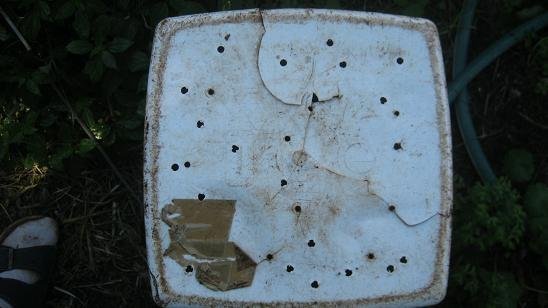
- Turn the container upside down and drill plenty of 6 mm holes into the bottom. Worms breathe through their skin and drown if the bin floods, so don’t skimp on holes.
- Put it in a shady spot, for example under a tree.
- Add moist bedding, your worms and some food.
- Cover the food with a plastic bag or sheet. It keeps moisture in and predators out.
- Optional: cut a plastic sheet or wooden board to size as a lid.
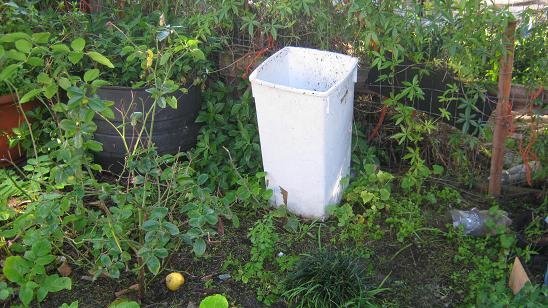
Where should the budget bin stand?
In the shade. A cheap bin has no insulation, so it heats up quickly in the sun. Compost worms cope with about 5–29 °C (41–84.2 °F), and they do best at 15–25 °C (59–77 °F). In a hot climate, under a tree is ideal. In a cold winter, move it into a garage or shed.
What is the very cheapest option?
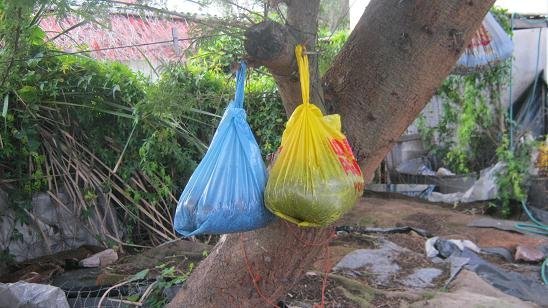
Hanging worm bags: plastic bags with a few holes, filled with bedding, worms and food and hung in a tree. They cost almost nothing, but they do not last long, are small and not pretty. They are fine as an experiment or for a few weeks.
What else costs money?
Usually only the worms. Bedding can be shredded cardboard or newspaper, and food is your kitchen scraps (coffee grounds: feed sparingly). Everything else on starting a worm farm can be found or reused.
Running your worm farm as a business? How to Start a Profitable Worm Business on a Shoestring Budget shows you the way.
Happy worming!
Stephan Kloppert
Nearly 30 years of worm farming in South Africa and Germany