

Worm bedding: the best materials and how to prepare them
Good worm bedding is pH-neutral, holds moisture, gives the worms a little food and protects them from heat and cold. For a home bin, my first choice is torn corrugated cardboard. Newspaper works too. Professionals often use pre-composted horse, rabbit or cattle manure.
Bedding is the home of your compost worms. It’s where they spend most of their time, and where they retreat when the food layer above becomes uncomfortable or even dangerous. Get the bedding right and most other problems never happen. For why worms love paper and card in particular, see worms love old cardboard and newspapers.
What makes good worm bedding?
Ideal bedding is pH-neutral, holds moisture, gives the worms some nutrition and buffers them against extreme temperatures. Keep the bin at 5–29 °C (41–84.2 °F), ideally 15–25 °C (59–77 °F). It must always be organic, because over time the worms eat all of it and turn it into castings.
What do professional worm farmers use?
Many professionals use horse, rabbit or cattle manure. Treated correctly, these make excellent, safe bedding, and you can often get them cheaply or for free. Always compost manure first, so it can’t heat up in the worm bin, which can kill the worms.
Which bedding is easiest for a home bin?
Shredded cardboard and torn newspaper. Almost everyone can get old newspapers, corrugated cardboard or plain advertising leaflets (avoid shiny, glossy paper). You can mix them if you don’t have enough of one. Newspaper has little food value, so a newspaper bin needs enough good worm food. My first choice is torn corrugated cardboard. It holds lots of moisture, is usually pH-neutral, and worms eat it greedily, so they don’t depend only on the food you add.
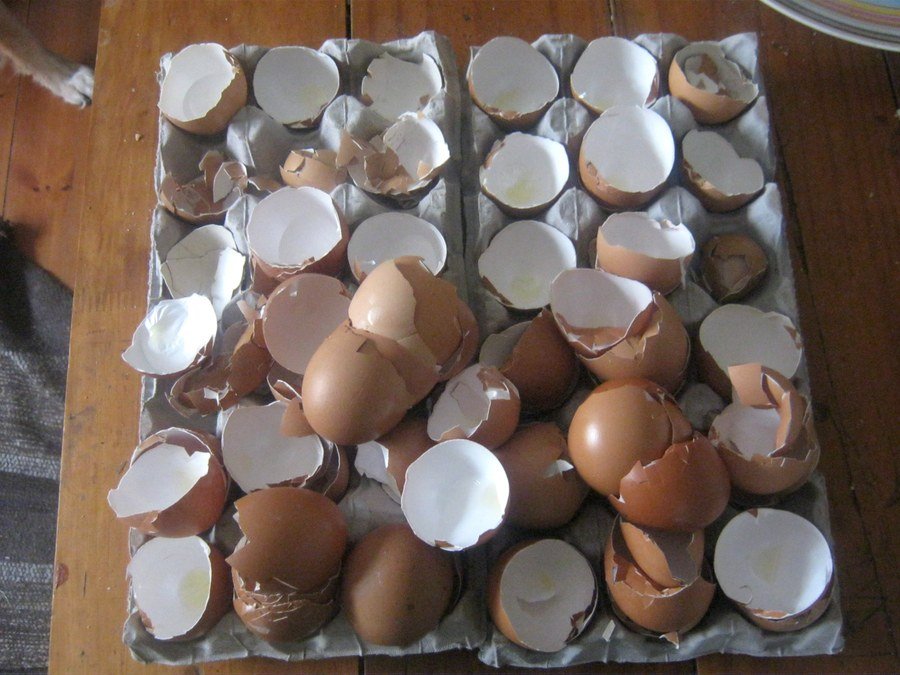
How do I prepare cardboard or newspaper bedding?
- Tear the cardboard or newspaper into thin strips, or put it through a shredder.
- Soak it for 6–12 hours, ideally in water without chlorine. Tap water left in an open bucket for a day works.
- Let the extra water drain off. The bedding should feel like a wrung-out sponge: moist, but never soggy.
- Fill the bin with at least 10 cm / 4 in, add a handful of garden soil or old compost, then add the worms.
The full setup is in starting a worm farm.
How wet should worm bedding be?
About as wet as a wrung-out sponge, roughly 80–90% moisture. Squeeze a handful: one or two drops of water is perfect. If it’s too wet, add dry shredded cardboard. Bedding that is too wet can send worms into the bottom tray (worms escaping into the bottom bin). If it’s too dry, sprinkle on some water. See the troubleshooting FAQ.
When do I add new bedding?
Bedding slowly disappears as the worms turn it into castings. When the bin looks mostly like dark castings, add a fresh layer of soaked cardboard on top, or harvest the castings and start a fresh tray.
Happy worming!
Stephan Kloppert
Nearly 30 years of worm farming in South Africa and Germany
Running your worm farm as a business? How to Start a Profitable Worm Business on a Shoestring Budget shows you the way.