Start a profitable worm business from home
Yes — you can start a worm business from home on a very small budget. Get compost worms as breeding stock, begin with one bin in your backyard, feed free organic waste, and sell worms, worm castings and worm tea as the herd multiplies.
A worm business is an excellent way to create income from home. Living costs rise faster than many incomes, and not everyone can cut spending enough. After nearly 30 years of worm farming, first in South Africa and then in Germany, I still believe a backyard worm farm is one of the lowest-cost ways to start a green business. This page is the practical overview; the deep detail is in my book How to Start a Profitable Worm Business on a Shoestring Budget.
- How did you start your worm business?
- How do I start a worm business, step by step?
- What markets can a worm business serve?
- What can go wrong, and how do I protect the herd?
- Why is a worm business a sustainable business?
- How do I get worm food for free?
- How do I package and deliver worms and castings?
- How much space and money do I need?
How did you start your worm business?
I had almost no budget and researched many home businesses. Most needed money I did not have. Then I learned about making money with earthworms. I liked the green-business idea, and the start-up cost for a backyard farm was extremely low.
I got my first compost worms nearly 30 years ago, started in South Africa, and later farmed in Germany too. I began with one worm bin, multiplied the herd, and in less than two months made the first small sales to fishermen and gardeners. Within a year I was selling worms, castings and worm tea to private customers and retail outlets.

Compost worms are by far the least demanding colleagues I have ever had. They do not moan, do not demand a salary, work 24 hours a day, 7 days a week, and are happy if I give them organic waste and keep their home moist and cool. Although worm farming is already a multimillion-dollar industry, it is still a niche market with room for careful newcomers.
How do I start a worm business, step by step?
1Get breeding stock you can multiply
Commercially useful worms:
- Eisenia fetida — compost worm / red wiggler (most businesses)
- Eisenia hortensis / Dendrobaena veneta — European nightcrawler
- Lumbricus rubellus — red worm
- Eudrilus eugeniae — African nightcrawler
Lumbricus terrestris (northern nightcrawler) is poor for farming but good bait. No local breeder? Check compost heaps and nurseries. See start a worm business without buying worms.
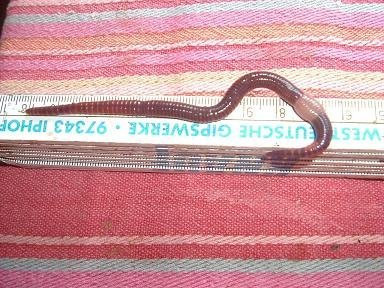
A big compost worm (Eisenia fetida) 2Start small in your backyard
One bin, bucket or drum is enough. Bedding of moist shredded newspaper, then worms, then food. Build a homemade 3-tier bin or follow starting a worm farm. Compost worms cope with about 5–29 °C (41–84.2 °F), and they do best at 15–25 °C (59–77 °F).
3Feed them for free and let them multiply
Kitchen waste, horse manure or even dog poop can be free. Coffee grounds: feed sparingly. A managed herd replenishes itself after you sell worms.
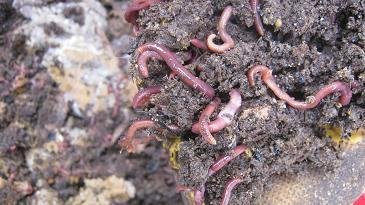
Compost worms at work 4Choose your products
- Worms for new farms, bait and animal feed
- Worm castings — plant food and soil conditioner
- Worm tea — liquid fertilizer and natural pesticide
- Workshops on worm composting basics
- Later: commercial bins, tea-brewing kits, fertilizer mixes
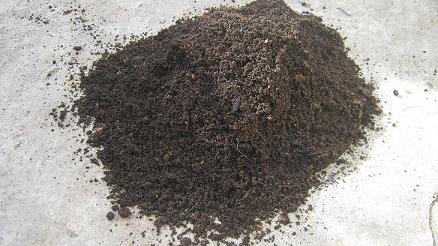
Fresh worm castings 5Find customers and grow at your pace
Nurseries, garden centres, anglers, gardeners, pet owners, restaurants, hotels, zoos… Browse the worm business directory. Scale from a side income to a full eco-business as you wish.
What markets can a worm business serve?
From the same farm you can sell into several niches:
- Worms for home worm farms and schools
- Bait worms for freshwater fishing
- Castings bags for gardeners and nurseries
- Bottled worm tea
- Wholesale to garden centres
- Online local sales
Packaging, labels, delivery (worms must arrive alive) and simple payment terms matter as much as production. Those details are covered step by step in the book.
What can go wrong, and how do I protect the herd?
Protect bins from extreme heat and cold, direct sun and flooding. Watch for predators and pests (ants, mites, flies). Common troubleshooting: worms trying to escape, acidity, overcrowding, and wet-weather migration. Keep moisture like a wrung-out sponge and do not overfeed. For maggots see maggot infestation help.
Why is a worm business a sustainable business?
Sustainability means a concept could continue indefinitely without destroying what it depends on. Worm farming uses worms as the workforce, waste as the raw material, and produces plant foods and soil conditioners. After more than 15 years as a commercial worm farmer I wrote everything down — bins, food, protection, castings, tea, markets, packaging and pricing — in How to Start a Profitable Worm Business on a Shoestring Budget.
What readers say
“Direct, honest and practical… the information you need to start turning muck into money.” — Iain C. Massey. More reviews on the customer reviews page and on Amazon.
How do I get worm food for free?
Kitchen scraps from your own home are the start. Many worm businesses also collect waste that others pay to dispose of: horse manure from stables, coffee grounds from cafés (feed sparingly), vegetable trimmings from markets, and sometimes pet waste from kennels. Always ask permission, keep materials free of chemicals, and balance wet waste with dry bedding.
How do I package and deliver worms and castings?
Worms must arrive alive: breathable packaging, moist bedding, and short transit times. Castings go in clean bags with a simple label. Worm tea needs clean bottles and a shake-before-use note. Start local (collection or short delivery) before you attempt shipping. These operational details — plus pricing, permits and marketing — are walked through in How to Start a Profitable Worm Business on a Shoestring Budget.
How much space and money do I need?
You can start with one bin in a backyard, balcony or garage and almost no cash if you reuse a container and find free bedding and food. Buy or breed a starter herd of compost worms, then let them multiply. Grow only as fast as sales and space allow. A worm business can stay a side income or become a larger eco-enterprise — that flexibility is the point of a shoestring start.
What readers of my worm business book say
Word-for-word excerpts from Amazon reviews of How to Start a Profitable Worm Business on a Shoestring Budget. Cuts are marked […].
“I like this author, and his book. Both are direct, honest and practical. Here’s the information you need to start turning muck into money.”
“He is not a scientist – but an entrepreneur who achieved a successful and thriving worm business. It’s an easy read that is comprehensive and encouraging.”
“This is a very business orientated book with lots of good sound information.”
“I was curious about the possibility of selling worms […] Lots of valuable info to better understand & refine one’s worm ‘operations’ […]”
“I would recommend the book to anyone who is interested in starting a business in worm farming […] It is a very cost efficient and simple business”
Happy worming!
Stephan Kloppert
Nearly 30 years of worm farming in South Africa and Germany
Running your worm farm as a business? How to Start a Profitable Worm Business on a Shoestring Budget shows you the way.