

Use worms against climate change
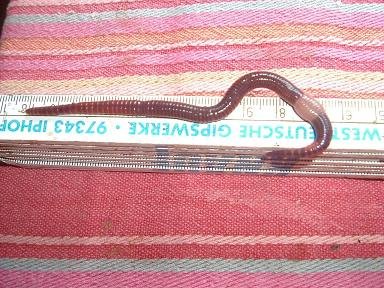
More and more people all over the world take action and use worms against climate change. What at first is sounding like a joke is actually an encouraging fact and gives us a glimmer of hope in the battle against global warming.
Climate change is happening
The average temperature of our atmosphere has risen by 1.4 degrees Fahrenheit in the last hundred years and is predicted to increase by another 2 to 11.5 degrees Fahrenheit in the next century. (Source: EPA – Environmental protection agency of the United States)
Although there are still people that discount the negative effects of global warming the effects have been felt already in many places all over the world. Established weather patterns all over the world have begun to change.
While increased rainstorms have hit some areas of our planet and lead to unprecedented floods, other parts of the world have been hit with severe draughts which resulted in water shortages and destroyed crops.
The ice at the polar caps is melting at an ever increasing speed which not only endangers the polar bears that rely on the ice for their survival but might actually raise the water levels of the oceans to the points where many coastal areas of the earth might get flooded and permanently covered by the seas.
Although no one can accurately predict all the negative effects that climate change will have, the alarming signs are here and action to reverse or at least stop global warming needs to be taken now.
Use worms against climate change
Global warming occurs due to the massive release of the green house gases, Carbon dioxide (CO2), Methane (CH4), Nitrous Oxide (N2O) and fluorinated gases (F-gases) into the planets atmosphere. These gases trap energy in the atmosphere and cause it warm up.
The sources of greenhouse gas emissions are
- Energy supply (burning of coal and oil for the production of electricity)
- Industry (burning of fossil fuels)
- Forestry (land clearing and burning of forests)
- Agriculture (management of soils and livestock…)
- Transportation (burning of fossil fuels)
- Commercial and residential buildings (burning fossil fuels for heat)
- Waste and waste water (methane produced on landfill sites and in waste water)
Today’s decision makers as well as every single human being should assist to reduce the production of greenhouse gas emissions in each of these fields.
One of the easiest ways to combat global warming is to use worms against climate change. Earthworms and compost worms feed on organic matter that is starting to rot. Our societies specifically in the western world are producing millions of tons of kitchen-, household- and garden waste that gets dumped on landfill sites where it produces carbon dioxide and methane. Especially methane is a very potent greenhouse gas that takes up to 20 years to reach the upper layers of the earth atmosphere.
This practice of dumping organic matter is not only a waste of valuable resources but as well entirely avoidable.
Domesticated earthworms thrive on nearly all organic matter and can recycle huge amounts of wet waste on a continuous basis.
As a matter of fact worms can convert organic waste into worm castings one of the most balanced natural fertilizers and soil conditioners known to man.
This process is called worm farming or vermiculture and humans can implement it to use worms against climate change in large industrial ventures as well as in individual domestic worm farms.
12000 compost worms can recycle more than one ton of organic waste per year and prevent it in that way from producing methane gas. If each private household would add their kitchen- and garden scraps to a worm bin we could recycle millions of tons of wet waste and use worms to combat climate change.
On our pages you will find all the information you need to start your own worm bin at home, produce your own nutritious organic fertilizer and contribute on the way to a healthier environment.
Be part of a better future and use worms against climate change!
Running your worm farm as a business? How to Start a Profitable Worm Business on a Shoestring Budget shows you the way.