Working from home with worms: what the lifestyle is really like
A worm business is one of the few farming businesses you can run from your own backyard, garage or shed: no commute, your own hours, and work you can do in old clothes. It is still real work — daily checks, feeding, harvesting and finding customers — so it suits people who like routine and hands-on jobs.
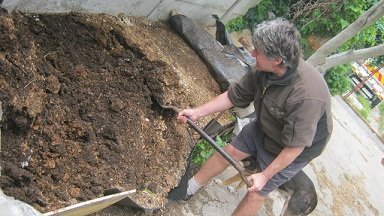
Many people are looking for a way of working from home. I have run my worm farming from home for most of my nearly 30 years with worms, first in South Africa and then in Germany. This page is not about the numbers of a worm business (that is on worm farming as a home business opportunity) — it is about the day-to-day life: what is good, what is hard, and whether it fits you.
What do I like most about working from home?
- No commuting. The time and fuel you save go straight into the business.
- Your own schedule. Worms do not care whether you feed them at 6 am or after supper.
- Work you care about. Turning household waste into plant food never feels like a dead-end job to me.
- No dress code. Old jeans and gloves are the uniform.
Run your worm business from home
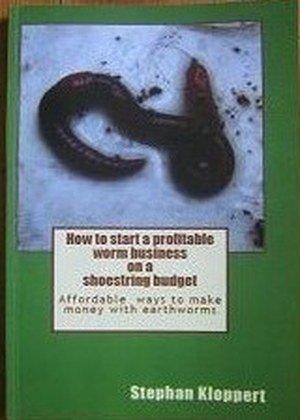
How I set up and ran a worm business from home, from the first bins to customers, step by step. I’ve written it all down in my book How to Start a Profitable Worm Business on a Shoestring Budget. The printed book and the Kindle edition are sold on Amazon.
See what’s inside the book →What does a typical week look like?
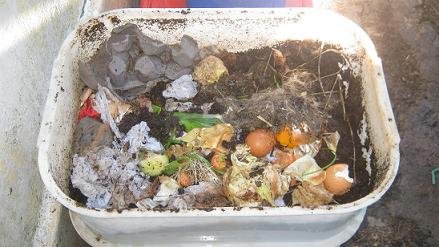
Short, regular jobs rather than long shifts: checking moisture and temperature, feeding scraps, adding bedding, harvesting castings every few weeks or months, and answering customers. When the herd grows, harvesting, packing and delivering take more time. Plan for that before you take on big orders.
What are the downsides?
- Nobody else keeps you disciplined — the worms still need care on holidays.
- Income is not guaranteed and usually starts small. Keep another income until the business proves itself.
- You need space (a corner of the yard, a garage or a shed) and to check local rules on running a business from home.
- Family members need to be fine with bins, scraps and the occasional delivery at the door.
How much space do I need at home?
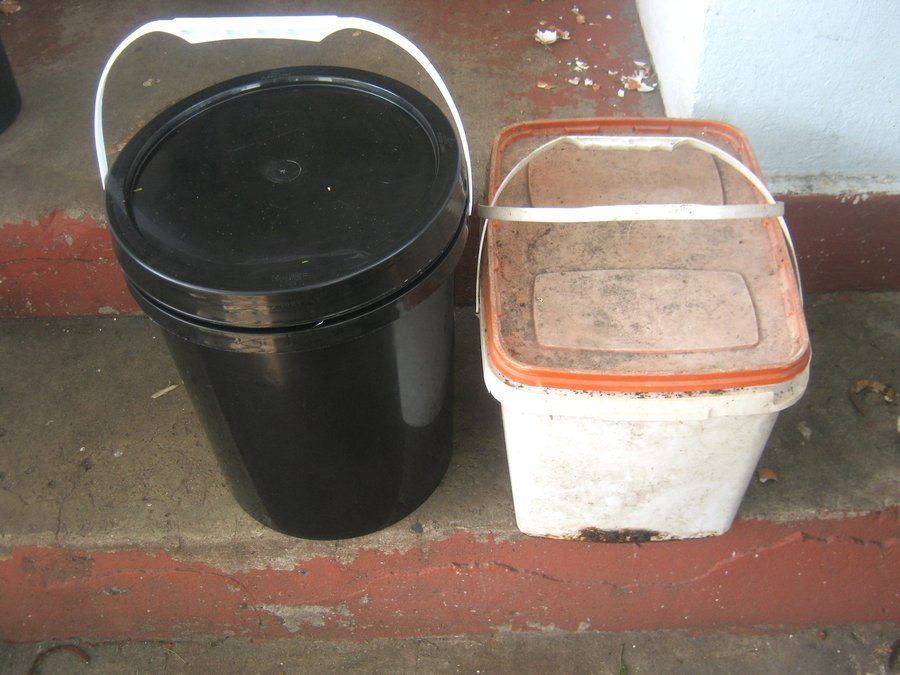
You can learn with one or two bins on a patio. Cheap DIY bins are fine to start with; see starting a worm composting business step by step for how to grow from there.
Is a worm business right for me?
It suits people who enjoy gardening, routine and talking to customers about soil. If you want quick money without daily care, it is not for you. For the business side, read home business opportunity and how to start a worm business. I teach worm farming and write about it; I do not sell worms, castings or other physical products myself.
Just starting your first worm farm? The Easy Worm Farming Planner keeps you on track week by week.
Happy worming!
Stephan Kloppert
Nearly 30 years of worm farming in South Africa and Germany