Start a worm business without buying worms
In many countries you can find your first breeding stock for free: compost worms live in well-established compost heaps, manure, garden centres and nurseries. Collect a small batch, keep it in a bin with moist shredded newspaper, and let it multiply before you sell anything.
Worm composting is growing in popularity, and in countries like South Africa, Germany, the United States, England and Australia it’s easy to buy a batch of compost worms from a breeder. But in many parts of the world there isn’t a single worm business on the map yet. If that’s where you live, or if your budget is tight, you can still start: find the worms yourself. This page is about that first step. For the full business picture, see start a profitable worm business from home.
Which worms are worth looking for?
Of the thousands of kinds of earthworm, only a few are commercially usable and can be kept in captivity:
- Eisenia fetida: the compost worm (red wiggler), used by most worm businesses
- Eisenia hortensis / Dendrobaena veneta: the European nightcrawler
- Lumbricus rubellus: the red worm
- Eudrilus eugeniae: the African nightcrawler
- Lumbricus terrestris: the northern nightcrawler, a bait worm rather than a composter
For an overview of the composters, see compost worms: which worms to use.
From a free batch of worms to a business
Finding worms is only the first step. Multiplying them, building beds and finding customers is the rest. I’ve written it all down in my book How to Start a Profitable Worm Business on a Shoestring Budget. The printed book and the Kindle edition are sold on Amazon.
See what’s inside the book →Where do I find compost worms for free?
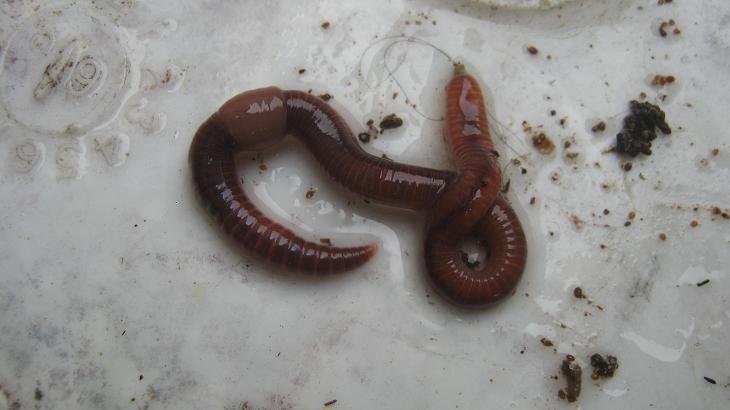
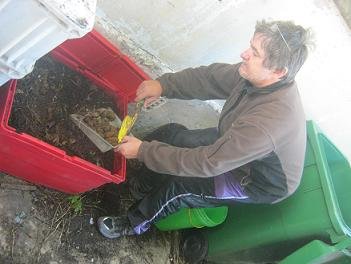
Eisenia fetida loves rich organic matter, multiplies rapidly and is very hardy. Look in well-established compost heaps and anywhere organic matter decomposes: garden centres, nurseries, stables and manure heaps. If the worms live in your country, there’s a very good chance you’ll find a herd of them sooner rather than later. Lumbricus rubellus and the European nightcrawler turn up in the same places, in rich soil, manure and other animal droppings.
What do I do with the worms once I have them?
Place them in moist shredded newspaper in a bin or bucket and feed them a little at a time. My guides starting a worm farm and build a homemade worm compost bin show you how. Don’t sell anything in the first weeks: let the herd settle and multiply first.
Can I catch nightcrawlers for bait?
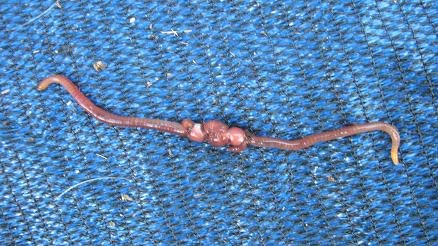
Yes. Lumbricus terrestris is the largest native worm in Europe and grows 25 to even 50 cm long. It eats less and breeds slowly, so it’s not ideal for a worm farm, but it’s an excellent bait worm for freshwater fishing. On moist nights take a torch and pick them up on lawns or forest floors. To keep them, make an enclosure in the garden with boards or bricks reaching at least 10 cm / 4 in into the ground and a similar height above it; they don’t climb over barriers.
What about the African nightcrawler?
Eudrilus eugeniae comes from West Africa and is a prolific breeder in warm conditions, around 24–30 °C (75–86 °F). It’s very vulnerable to cold, so it only suits warm regions. You’ll find it in compost heaps there.
What comes next?
Once your herd is growing, read why worm farming makes a good home business and the questions readers ask about starting one.
Just starting your first worm farm? The Easy Worm Farming Planner keeps you on track week by week.
Happy worming!
Stephan Kloppert
Nearly 30 years of worm farming in South Africa and Germany