
Large-scale worm tea production
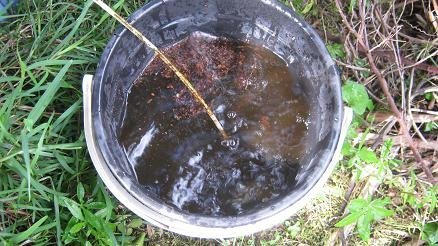
Scale home brewing into tanks: chlorine-free water, a tea bag or basket of quality worm castings, a little molasses, strong aeration (pond pump / air stones), brew about a day, then spray or drench soon after brewing. Home recipe stays on worm tea; this page is for field and orchard volumes.
Reader questionBafana, Gauteng
“Please recommend an expert or experts for advice and possible project management of an envisaged large scale worm tea production for grain (maize, soya, sunflower, etc), commercial vegetable and orchards for organic farming and replacement of chemical farming.”
Bafana, large-scale tea starts with the same idea as the kitchen bucket: multiply the microbes in castings with air and a little food (molasses), then get the liquid onto the crop while it is still lively. My home recipe — 1 kg castings + 25 ml molasses in 20 litres, aerated 24 hours — lives on worm tea. Below is how that idea scales for farms. I share what I have learned and what other producers have reported; I do not sell tea or manage farm projects myself, and I am happy to answer follow-ups on the free helpline.
How is large-scale tea different from the home recipe?
Same ingredients, bigger vessels. At farm scale people use IBC totes, tanks or spray-tank batches, a pond pump with air stones (or a dedicated brewer), and a suspended mesh “tea bag” of castings so solids stay out of the nozzles. Brew times are still measured in hours, not weeks. Always start with chlorine-free water (pond water, or aerate tap water for several hours first).
Tea is one product line from the same herd
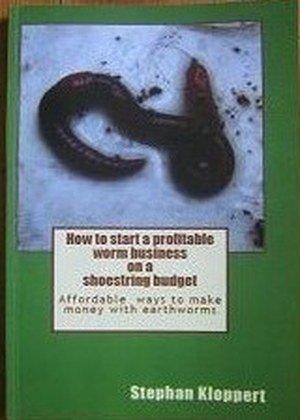
Castings, tea and worms work together as a business. The book covers how to build the herd and the product mix without a big budget. I’ve written it all down in my book How to Start a Profitable Worm Business on a Shoestring Budget. The printed book and the Kindle edition are sold on Amazon.
See what’s inside the book →What batch size have other producers used?
A reader (Gary, biofert.fr) described one working pattern for about 1 000 litres:
- 25 kg good worm castings in a mesh bag inside an IBC
- Pond pump + large air stones; if using tap water, run air 3–4 hours before adding castings
- About 1 litre molasses (plus optional seaweed, rock dust or fish emulsion)
- Aerate roughly 24–35 hours
- Use within a few hours of finishing the brew, applied with a crop sprayer
That is one reported recipe, not a universal standard. My own batches often use a higher castings-to-water ratio than Gary’s. Trial on a small plot, check nozzle filters, and keep notes. Exact litres per hectare depend on crop, soil and whether you foliar-spray or soil-drench — I flag those numbers for you to confirm locally.
How do I keep the tea from clogging sprayers?
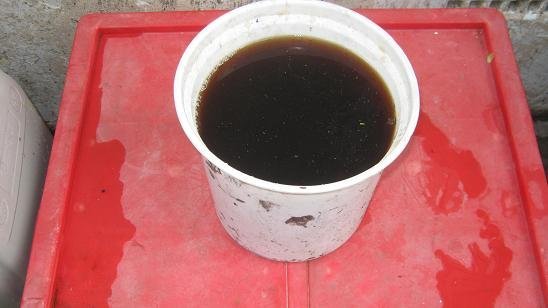
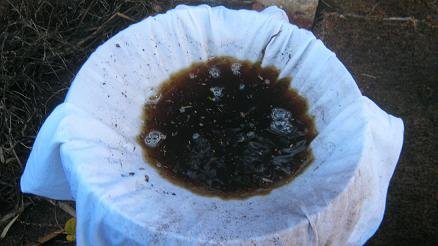
Keep castings in a fine mesh bag during the brew, then filter again through cloth before the spray tank. Home brewing already shows the idea in a bucket; at scale the filter step matters more because orchard and boom sprayers block easily.
What about castings supply for farm-scale tea?
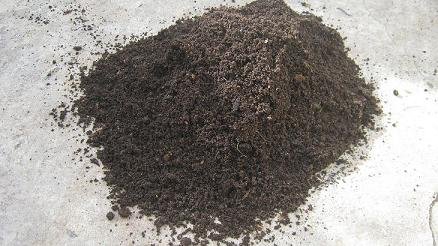
Tea volume is limited by how much quality castings you can produce. Build castings production first — see production of vermicast — then size the brew tanks to the castings you actually harvest. Selling concentrated castings or granules can be smarter than trucking huge volumes of ready tea.
Can worm tea replace all chemical fertiliser?
It is a powerful biological input and many organic growers use it to cut back on synthetics, but I will not promise it replaces a full fertility programme on its own. Pair it with soil tests, compost / castings in the soil, and crop-specific advice for your region. For packaging castings to sell alongside tea, see granulating vermicompost.
Just starting your first worm farm? The Easy Worm Farming Planner keeps you on track week by week.
Happy worming!
Stephan Kloppert
Nearly 30 years of worm farming in South Africa and Germany