
How to granulate vermicompost (worm castings)
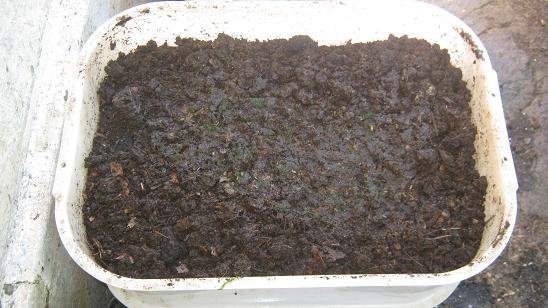
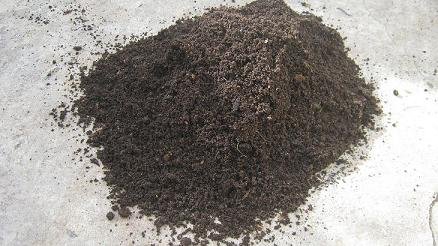
Harvest moist castings, push them through a sieve or rotary mesh so they crumble into small granules, dry them loosely in the shade or gentle sun until they harden, then bag without compressing. Granules ship and store better than wet bulk castings.
Reader questionHojat Zakipour, Ardabil, Iran
“Hi dear, I’m Hojat from Ardabil, Iran. I have a vermicomposting reactor and I want to granule the vermicompost fertilizer. Can you help me?”
Yes, Hojat. Granulating is mostly about sieving while the castings are still moist, then drying the crumbs so they hold their shape. You do not need a factory pellet press for a first product — a mesh and careful drying go a long way. For the castings themselves, see worm castings.
When should I sieve the castings?
Soon after harvest, while the castings are still moist and crumbly. Dry, brick-hard castings shatter into dust instead of neat granules; wet sludge smears the mesh. Aim for a damp, cake-like feel — then push through the sieve.
Packaging is part of the profit
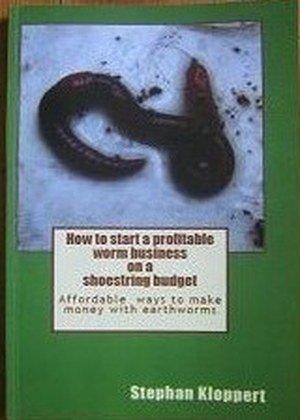
Sieving, drying, bagging and presenting castings so customers trust them is covered with the rest of the product lines in the book. I’ve written it all down in my book How to Start a Profitable Worm Business on a Shoestring Budget. The printed book and the Kindle edition are sold on Amazon.
See what’s inside the book →What mesh or machine should I use?
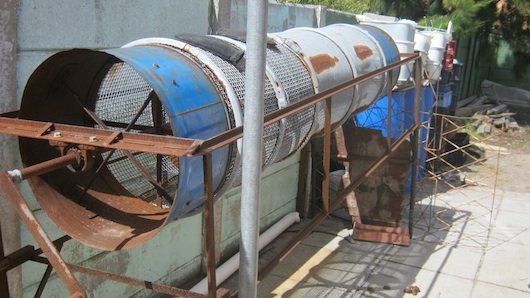
A sturdy garden sieve or hardware-cloth screen works at small scale. For larger reactors, a rotary mesh harvester (trommel) tumble-separates worms and coarse scraps from fine castings in one pass. Mesh size depends on the granule you want to sell — trial a few sizes on a sample bag before you commit.
How do I dry and store the granules?
- Spread granules loosely on trays or a clean floor — do not compress them into a heap.
- Dry in gentle sun or a shaded, airy shed until the outside hardens. Avoid oven-hot heat that kills the biology.
- Bag in breathable sacks or bins once dry. Keep them from re-wetting.
- Label clearly if you sell: feedstock, date, and any local fertiliser rules.
Will granulating kill the microbes?
Harsh heat and bone-dry storage will. Gentle air-drying leaves more life in the product than baking. Many growers still prefer fresh moist castings or worm tea for maximum biology; granules are the practical choice for shipping and shelf life. Offer both if your market wants them.
Where does granulating fit in production?
After you can produce clean castings reliably — see production of vermicast and how to harvest vermicast. Granules are a packaging step, not a shortcut around a healthy worm herd.
Just starting your first worm farm? The Easy Worm Farming Planner keeps you on track week by week.
Happy worming!
Stephan Kloppert
Nearly 30 years of worm farming in South Africa and Germany