Harvest worm castings: questions and answers
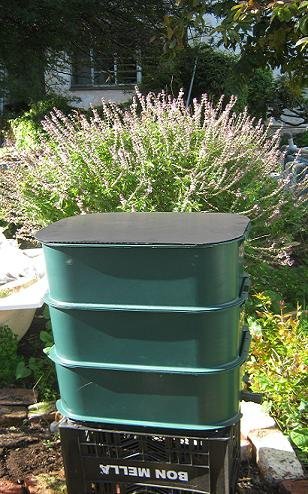
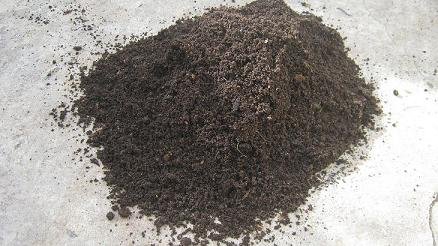
Harvest when the material is dark, crumbly and mostly free of food. Use stacking-bin migration for multi-tier farms, or the light / cone method for single bins. How often you harvest depends on bin size and herd — many home stacking bins are ready every few months when run well.
When and how to harvest worm castings is one of the first questions new worm farmers ask. Castings are one of the best rewards of worm composting, and there is more than one good way to get them out of the bin. This page answers the common questions and points you to the detailed method pages. For what castings do in the garden, stay on worm castings.
When should I harvest worm castings?
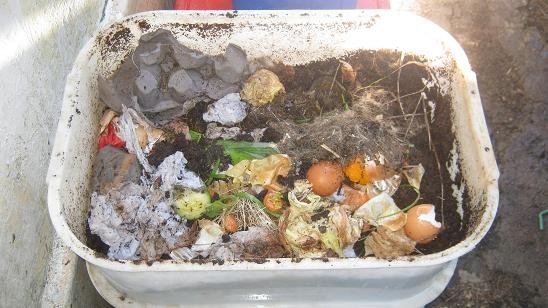
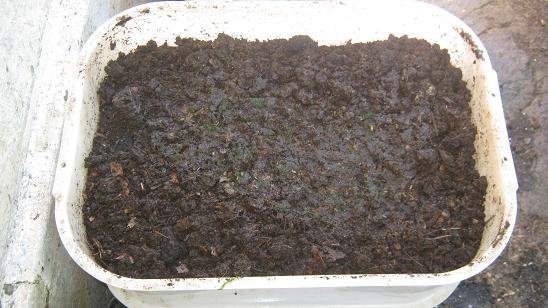
When the tray or bin looks finished: dark, earthy-smelling, crumbly, with little recognisable food left. In a 3-tier farm that is usually when the top tray is well populated and the middle tray is castings. In a single bin, stop feeding for a couple of weeks first so the worms finish the scraps.
From first harvest to a product line
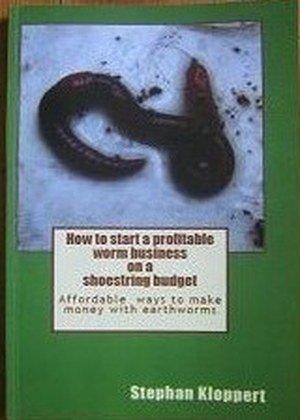
Once you can harvest clean castings, the next questions are packing, pricing and customers. I’ve written it all down in my book How to Start a Profitable Worm Business on a Shoestring Budget. The printed book and the Kindle edition are sold on Amazon.
See what’s inside the book →Which harvest method should I use?
- Stacking / multi-tier bins: worms follow food upward; empty the finished tray. Step-by-step: harvest from stacking bins.
- Single bin: light / cone separation on a tarp. Step-by-step: how to harvest vermicast.
- Larger beds: sieve or rotary harvester after the herd has moved to fresh feed. See production of vermicast.
How often can I harvest?
It varies. On a well-fed home 3-tier bin, many people harvest a tray every few months (old notes on this site mentioned roughly 6–8 months for some bin sizes — treat that as a starting guess, not a rule). Dense herds with steady food in warm weather turn trays faster. Keep a simple date log rather than trusting a calendar promise.
Do other critters move up with the worms in a stacking bin?
Many of the helpful micro-creatures follow the food and moisture upward along with the worms. A few will stay in the castings; that is normal. If you see pests (ants, flies, cockroaches), fix moisture and food hygiene first — the troubleshooting helpline and pest guides on this site help.
What should I do with castings after harvest?
Use them fresh in the garden, store them slightly moist and cool, brew worm tea, or dry and granulate for bags — how to granulate vermicompost. I do not sell castings; I teach you to produce your own.
Just starting your first worm farm? The Easy Worm Farming Planner keeps you on track week by week.
Happy worming!
Stephan Kloppert
Nearly 30 years of worm farming in South Africa and Germany