
Getting rid of ants in worm beds with mint leaves and essential oils
Ants move in when the bedding is too dry. Water the bedding until it’s as damp as a wrung-out sponge, and lay fresh mint leaves on the surface under a sheet of plastic: in my bin the ants were gone in 2 days and the worms were fine. Use essential oils only in tiny amounts, never poured into the bedding, and stand the bin legs in water to keep ants out.
How do I get rid of ants with essential oils without affecting my worms? Or can I?
Hello,
You can usually get rid of ants in worm beds quite effectively with extra water, as ants don’t like too much moisture. Small amounts of essential oils should be fine, because worms tolerate many potentially harmful substances as long as they occur only in small quantities. So try a small amount of the oil you had in mind and see if it drives the ants out.
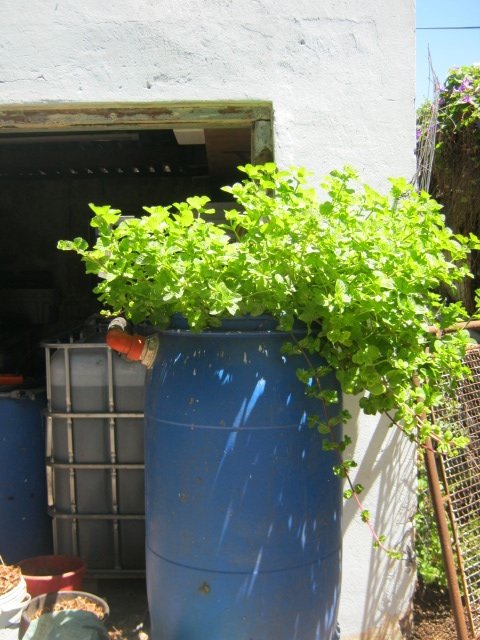
Another interesting way is to use fresh mint leaves. We did this to an ant-infested worm farm and the ants disappeared within 2 days. We have a big mint plant growing in an aquaponics system that is also supported by compost worms. We laid several branches of mint over the surface of the worm bin and covered them with a sheet of plastic, which kept more of the mint scent close to the bedding. Two days later the ants were gone, and the worms weren’t affected at all.
Give it a try and please let us know if it worked for you.
The full answer
Ants are one of the most common worm farm problems I’ve been asked about in nearly 30 years of worm farming, first in South Africa and then in Germany. The good news: you don’t need poison.
Why are there ants in my worm farm?
Ants love dry, warm spots with easy food. In a worm farm that usually means the bedding has dried out, often in summer or in a raised bed in full sun. Some ants also come for sweet food scraps. A colony moving in is a sign to check the moisture first.
How do I get rid of ants without harming the worms?
- Add water. Moisten the bedding until it’s as damp as a wrung-out sponge. Ants hate wet nests and usually move out within days.
- Lay fresh mint on top. Cover the surface with fresh mint branches and a sheet of plastic or damp sacking over them, as in my answer above. Replace the mint when it wilts.
- Bury the food under the bedding and cover the surface, so ants can’t get at sweet scraps.
- Turn the bedding gently where the ants are nesting to break up the nest.
Are essential oils safe for compost worms?
Use them with care. Concentrated oils such as peppermint, clove or citrus oil can irritate or kill worms if they soak into the bedding. If you try one, put a few drops on a cotton ball or a piece of cardboard on top of the cover or around the outside of the bin, never straight into the bedding. Start small and watch the worms. Fresh mint leaves do the same job more gently.
How do I keep ants out for good?
- Keep the bedding moist all the time and check it more often in hot weather.
- Stand the bin legs in water. A moat (bin legs in tins or trays of water) stops ants walking in. Top it up and keep leaves or twigs from forming a bridge.
- Keep the bin in the shade, ideally at 5–29 °C (41–84.2 °F), ideally 15–25 °C (59–77 °F).
- A ring of cinnamon, diatomaceous earth or chalk around the outside of the bin (not inside) can deter them.
Do ants harm worms?
Most garden ants are a nuisance rather than a danger. They compete for food and space, and a big colony shows the bin is too dry. Some aggressive species, like fire ants, can attack worms, so act quickly if you have them.
Still stuck? Describe your bin on the free helpline and I’ll take a look.
Happy worming!
Stephan Kloppert
Nearly 30 years of worm farming in South Africa and Germany
Running your worm farm as a business? How to Start a Profitable Worm Business on a Shoestring Budget shows you the way.