

Starting a worm farm: the 4 things you need
To start a worm farm you need just four things: bedding, food, a bin and worms, at least 500 red wigglers. Add moist bedding, put the worms on top, give them a little food, then cover the bin and close the lid.
Starting a worm farm is easier than most people think. Here are the four things you need, in the order I’d get them. For a photo-by-photo build, see the 3-tier worm farm guide or the homemade worm compost bin.
1. What worm bedding do I need?
Bedding is where your worms live, and where they retreat when conditions in the food layer become uncomfortable. Shredded cardboard or old newspaper is cheap and perfect. Avoid colourful, shiny paper and white copy paper. Tear it into thin strips, soak it for 6–12 hours, let the extra water drain off, and fill the bin with at least 10 cm / 4 in. Use water without chlorine if you can. Tap water left in an open bucket for a day loses most of its chlorine. The bedding should be moist, but never soggy. More materials, including manure, are on worm bedding.

2. What do I feed the worms?
Worms eat anything that was once alive and is now dead: apple cores, tea bags, coffee filters, lettuce leaves, hair, garden waste and old fruit. Feed used coffee grounds sparingly. Worms don’t eat fresh food. They wait until it starts to rot, so chop scraps small and feed a little at a time. My worm food rating list rates dozens of foods from my own bins, and feeding your worms explains how much and how often.
3. What kind of bin do I need?
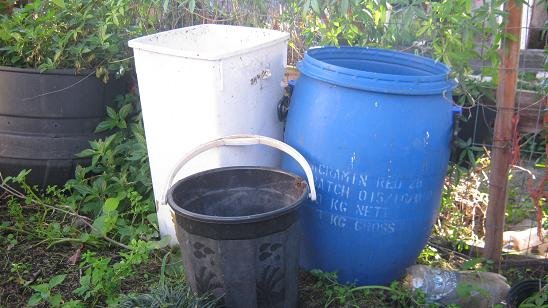
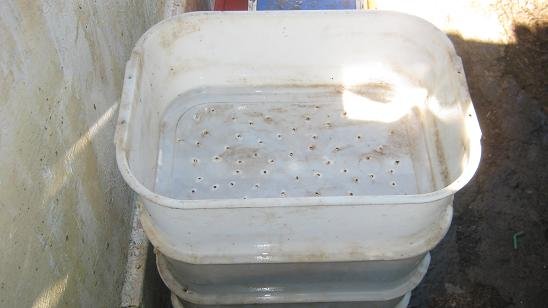
Any container of wood, plastic, metal or brick that holds at least 10 litres / 2.64 US gallons will do. Look around the house or ask family and friends. Stacking bins are worth considering, because they save you time and space later on. See how to make one in the homemade worm compost bin guide.
4. Which worms, and how many?
Use red wigglers (Eisenia fetida), also called tiger worms or red worms. They’re dark red, hardy and fast breeders, and eat about half their body weight a day. Start with at least 500. If you have a compost heap, look there first, because you may find a starter batch for free. Otherwise, see where to buy composting worms and compost worms.
How do I put it all together?
- Add the moist bedding to the bin.
- Place the worms on top. They’ll burrow down by themselves.
- Add a small amount of food on top of the bedding.
- Cover the surface with a sheet of damp newspaper or plastic, and close the lid.
Keep the bin in the shade at 5–29 °C (41–84.2 °F), ideally 15–25 °C (59–77 °F). Congratulations, and welcome to the worm farming community!
What if something goes wrong?
Most first-month problems are overfeeding or bedding that’s too wet. The troubleshooting FAQ, fruit flies and maggots in a worm farm pages cover the usual suspects, and my free helpline covers the rest. New worms sometimes ball up or wander in the first weeks; see worms balling up.
Happy worming!
Stephan Kloppert
Nearly 30 years of worm farming in South Africa and Germany
Running your worm farm as a business? How to Start a Profitable Worm Business on a Shoestring Budget shows you the way.