

How to build a cheap worm farm for a school, class or community group
For a group, build two or three cheap bins from donated containers instead of buying one expensive bin. Each needs drainage holes, a cover and a shady spot. The students take turns feeding, checking moisture and later harvest the castings for their vegetable garden.
Helga, a volunteer at an environmental education centre in a township in South Africa, once asked me how she and about 30 students could build and look after their own worm farm. They wanted to learn about recycling food waste first and then use the castings in a vegetable garden. That is a great project, and it can be done for almost no money. Here is how I would set it up.
How do I build a cheap worm farm for a group?
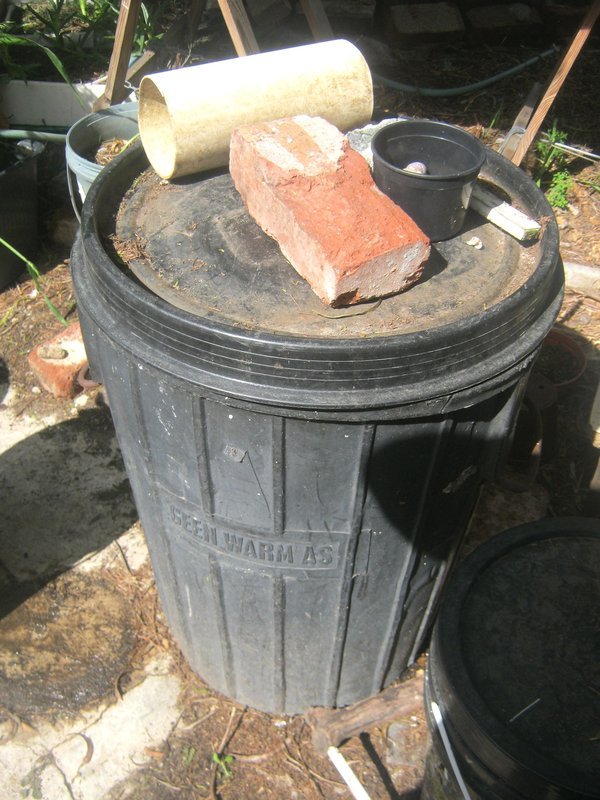
- Collect containers: ask parents, shops and restaurants for old 20-litre buckets or storage boxes that never held chemicals.
- Drill holes: lots of 6 mm holes in the bottom, a few near the top. Older students can do this with supervision.
- Make bedding: tear newspaper and cardboard into strips and soak it. A nice class job — details on worm bedding.
- Add worms: about 500–1,000 compost worms per bin.
- Put them in the shade and cover each one.
How do we share the work?
- A feeding roster: small amounts of fruit and vegetable scraps, two or three times a week.
- A moisture and temperature check with a simple log. Compost worms cope with about 5–29 °C (41–84.2 °F), and they do best at 15–25 °C (59–77 °F).
- No meat, dairy, oily food or citrus in big amounts; coffee grounds only sparingly.
- A plan for school holidays: feed well and add extra bedding before the break.
How do we use the castings in the garden?
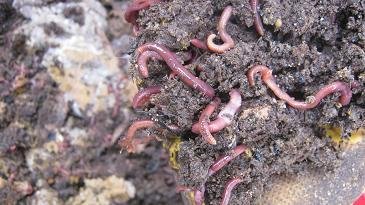
After about three to four months, push the finished material to one side, add fresh food on the other side and let the worms move over. Then mix the castings into the vegetable beds or seed trays. See how to harvest vermicast.
Is this cheaper than buying a worm farm?
Yes. Reused containers and paper bedding cost nothing, so the worms are usually the only cost. For a single household, a budget worm farm is the same idea in one bucket.
Running your worm farm as a business? How to Start a Profitable Worm Business on a Shoestring Budget shows you the way.
Happy worming!
Stephan Kloppert
Nearly 30 years of worm farming in South Africa and Germany