FAQ about worm farming: troubleshooting
Most worm bin problems come down to too much food, too much water or too much heat. Feed small amounts, keep the bedding as damp as a wrung-out sponge, and keep the bin between 5 and 29 °C (41–84.2 °F), ideally 15–25 °C (59–77 °F).
Even a well-run worm farm has the odd bad day. These are the problems readers have written to me about most often, with the fixes that have worked in my own bins for nearly 30 years. Are you completely new to this? Start with the beginner FAQ about worm composting.
- What do compost worms eat?
- Will a worm bin smell bad?
- How moist should the worm bedding be?
- What temperature is too hot or too cold?
- How do I harvest the worm castings?
- How do I make and use worm tea?
- Why are my worms trying to escape?
- What if the bin starts to smell bad?
- How do I stop fruit flies?
- I found maggots in my worm bin. Are they harmful?
What do compost worms eat?
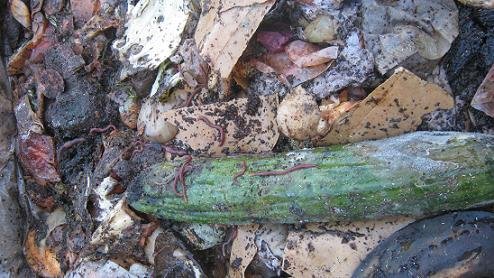
Red worms spend most of their lives eating. They’ll eat almost anything that was once alive, including kitchen scraps, garden waste and even pet waste (in a separate bin). Be careful with hot spices and very acidic food like large amounts of citrus peel, and stay away from oily food. Feed used coffee grounds sparingly. Chop the food small and it disappears much faster. Quantities and timing are on feeding your worms.
See my worm food rating list and worm food: all you need to know.
Will a worm bin smell bad?
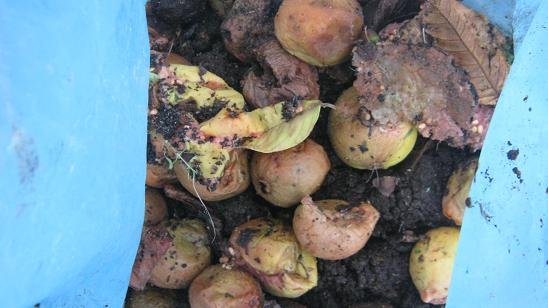
No. A properly managed worm bin smells like fresh forest soil. The worms eat the food as it starts to break down, before it can rot and smell. The most common cause of bad smells is overfeeding.
How moist should the worm bedding be?
About as moist as a wrung-out sponge, which is roughly 80–90% moisture. Squeeze a handful of bedding: one or two drops of water is perfect, and a little more or less is still fine. If it’s soggy, add dry shredded cardboard. If it’s dry, sprinkle on some water. More on materials: worm bedding.
What temperature is too hot or too cold?
Compost worms manage between 5 °C / 41 °F and 29 °C / 84.2 °F. They’re happiest at 15–25 °C / 59–77 °F. Above 29Above about 30 °C they suffer quicklynbsp;Above about 30 °C they suffer quicklydeg;C they suffer quickly, so keep the bin in deep shade during the South African summer, and somewhere frost-free during a German winter.
How do I harvest the worm castings?
In a stacking bin it’s easy: once the worms have moved up into the tray with fresh food, empty the bottom tray. In a single bin, push the finished compost to one side and feed only on the other side, and most worms will follow the food within a few weeks. The details are in how to harvest worm castings from stacking bins. To find out why castings are such good plant food, read worm castings.
How do I make and use worm tea?
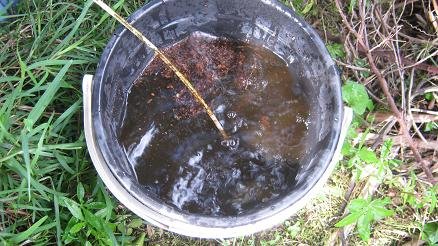
Worm tea is best used freshly brewed. Soak a scoop of castings in a bucket of water, ideally with an aquarium pump bubbling air through it, then water your plants with it. The method is on my worm tea page.
Why are my worms trying to escape?
If you find lots of worms on the walls or under the lid, something is usually wrong with the food or the bedding. It’s often too acidic, too wet or too hot. Remove any excess food straight away, fluff up the bedding to let air in, and dust a little agricultural lime over the surface to bring the pH back into balance. New worms sometimes wander for the first night or two, and leaving a light on over the bin helps.
What if the bin starts to smell bad?
There’s probably too much food in it, and the worms can’t keep up as it rots. Take out some of the food, add dry cardboard and stop feeding for a week or two. That gives the worms time to catch up.
How do I stop fruit flies?
Bury the food in the bedding, or cover the surface with a sheet of wet newspaper or a piece of plastic or sacking. Freezing fruit scraps before you feed them kills fruit fly eggs that are already on the peel. My fruit flies in the worm farm page shows how to build a low-cost trap. For a bigger infestation, see how to get rid of maggots and flies in my worm bin.
I found maggots in my worm bin. Are they harmful?
That depends on the type. Black soldier fly larvae can push compost worms out, beetle grubs are usually harmless, house fly maggots multiply fast, and tiny fruit fly maggots are harmless but a sign of too much exposed fruit. My page on maggots in a worm farm explains how to tell them apart.
Happy worming!
Stephan Kloppert
Nearly 30 years of worm farming in South Africa and Germany
Running your worm farm as a business? How to Start a Profitable Worm Business on a Shoestring Budget shows you the way.