

FAQ about worm composting
Worm composting means letting red wigglers (Eisenia fetida) turn kitchen scraps into worm castings in a simple bin, indoors or outdoors. Start with at least 500 worms, keep the bedding moist, and keep the bin between 5 and 29 °C (41–84.2 °F), ideally 15–25 °C (59–77 °F).
Here are the questions about worm composting that beginners have asked me most often over nearly 30 years. I keep the answers short and practical. If your question isn’t here, my free troubleshooting helpline is the place to ask it.
Why should we compost organic waste?
Huge amounts of kitchen and garden waste end up in landfill sites. There it rots without air and releases methane, a powerful greenhouse gas. Ordinary composting and worm composting both turn that waste into something useful: it improves your soil, means you need less chemical fertiliser, and keeps methane out of the air.
What is worm composting?
Worm composting, also called vermicomposting, vermiculture or worm farming, means recycling organic matter with the help of compost worms. In a well-run bin the worms can eat up to about half their body weight a day and turn it into nutrient-rich worm castings. It all happens in a worm bin built to suit the worms’ needs.
For the full picture, read my complete beginner’s guide to worm composting.
Where can I get a worm bin?
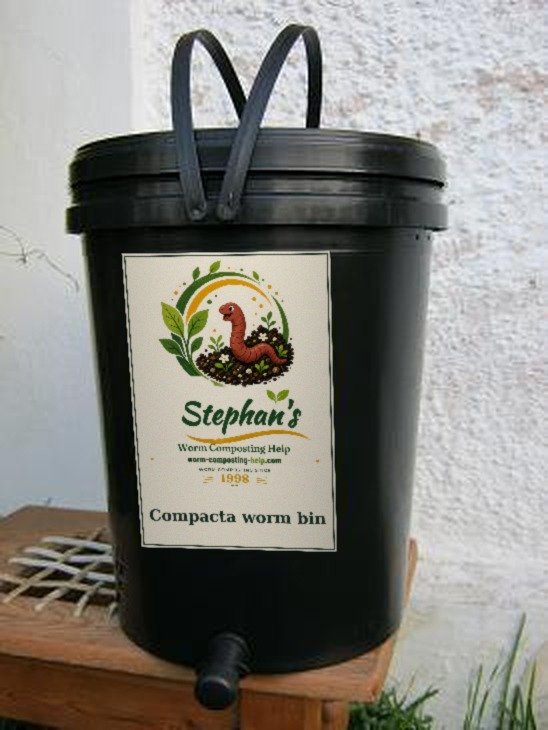
You can easily build one yourself. Plastic tubs, wooden boxes and even an old bathtub all work. See my homemade worm compost bin instructions, or the step-by-step 3-tier worm farm guide if you like stacking trays. Ready-made bins are also available from worm farmers and garden centres.
Can I use my worm bin indoors?
Yes. A well-managed worm bin doesn’t smell and takes up very little space. Under the kitchen sink, a corner of the garage or a storeroom all work well. See how to start and keep an indoor worm farm. Indoors the worms are also protected from summer heat and winter frost.
What kind of worms do I need?
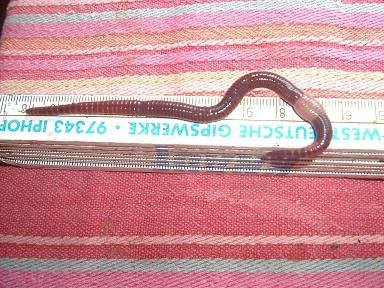
Use compost worms, not garden earthworms. The most popular is the red wiggler (Eisenia fetida). It thrives in rich organic material, is hardy and breeds fast. Garden earthworms and nightcrawlers live deep in the soil and won’t settle in a bin. Read more about the different species on compost worms, or see my worm farm page.
Where can I get compost worms?
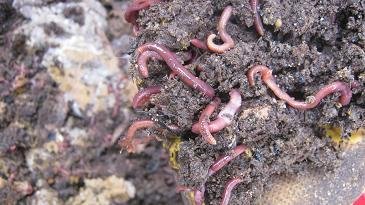
With a bit of luck you’ll find red worms for free in an old compost or manure heap. Otherwise, buy them from a worm farmer in your town or country. Many breeders post or courier live worms within their own country, and that’s quite normal.
How many worms will I need?
That depends on how much waste you want to recycle. As a rule of thumb, 1 kg / 2 lb of compost worms (about 4,000 worms) can handle about 0.5 kg / 1 lb of food scraps a day. For quick results in a new bin, start with at least 500 worms. Worms breed fast, so even a small starter population soon grows into a big one.
How do I set up my worm bin?
Fill the bin with moist bedding such as shredded newspaper or torn corrugated cardboard, add the worms, and give them a small first meal of chopped kitchen scraps under the bedding. Cover it, keep it in the shade and wait until they’ve started on that meal before you feed again. Step-by-step instructions with photos are on my worm farm page.
What temperature do compost worms need?
Compost worms cope with about 5 °C / 41 °F to 29 °C / 84.2 °F, and do best between 15 °C / 59 °F and 25 °C / 77 °F. Keep the bin in deep shade in summer and somewhere sheltered in winter.
What can I feed my worms?
Fruit and vegetable scraps, cardboard, egg cartons and crushed eggshells are all good. Feed used coffee grounds sparingly. Avoid meat, fish, dairy and oily food. For how much and how often, see feeding your worms. Bury fruit scraps under the bedding to keep fruit flies away. My worm food rating list rates dozens of foods from my own bins, and worm food: all you need to know explains the basics.
Happy worming!
Stephan Kloppert
Nearly 30 years of worm farming in South Africa and Germany
Running your worm farm as a business? How to Start a Profitable Worm Business on a Shoestring Budget shows you the way.