DIY worm composting bin: a 2-bucket bin with a tap
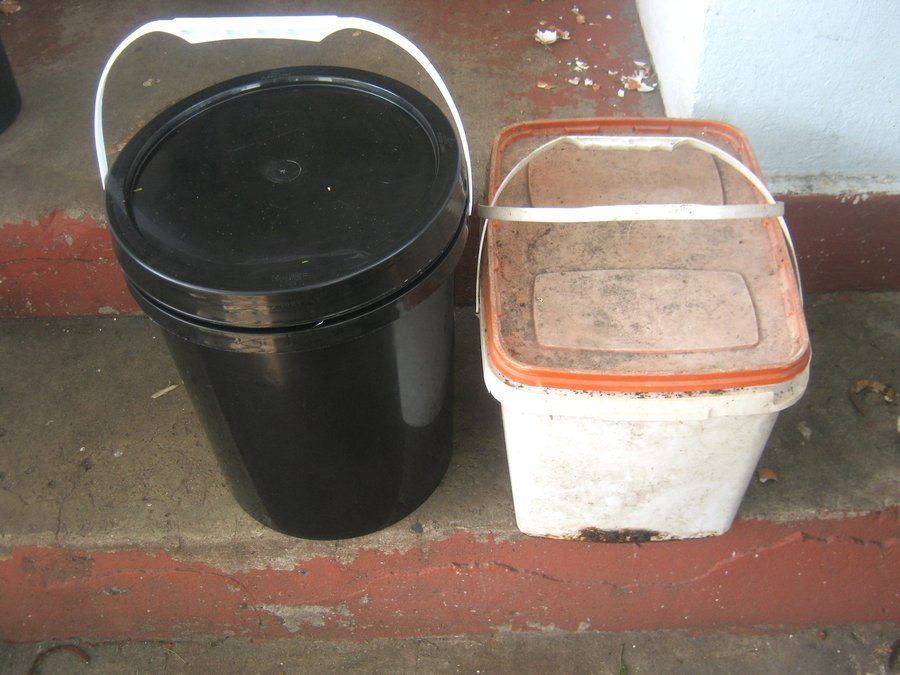
Put one bucket with drainage holes (the working bin) inside a second bucket with a tap (the collecting bin). The worms live in the top one and the liquid drains into the bottom one, where you can drain it off. You need a drill, a hole saw for the tap and two matching containers.
This is the bin I recommend when you want something neater than a bucket in the garden but simpler than a 3-tier homemade bin. It costs next to nothing if you have the buckets at home. A bin this size is usually enough for one or two people.
What do I need for a DIY worm composting bin?
- 2 containers of the same kind that fit inside each other, with one lid
- 1 small plastic tap with washer and nut
- A drill with a 5–10 mm (about ⅕–⅓ inch) bit for drainage and air holes
- A hole saw the same size as (or a fraction wider than) the base of the tap
How to build it
- Drill at least 15–20 drainage holes into the bottom of the working bin.
- Drill a few ventilation holes near the top of the working bin.
- With the hole saw, drill the tap hole as low as possible in the side of the collecting bin. Leave enough room below it for the nut.
- Push the tap through, put the washer over the thread and tighten the nut on the inside.
- Put the working bin into the collecting bin and put the lid on.
Why have a tap?
Liquid collects at the bottom, especially when you feed wet scraps. The tap lets you drain it so the working bin never gets waterlogged. Open it regularly. This liquid is leachate, not brewed worm tea, so dilute it well if you use it on plants.
How do I start the bin?
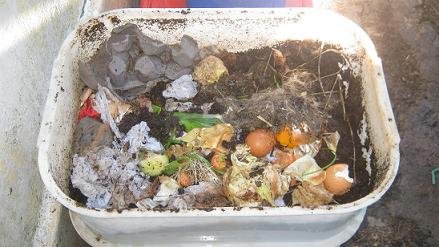
Add moist bedding, then your worms, then a little food under the bedding. Keep the bin out of direct sun. Compost worms cope with about 5–29 °C (41–84.2 °F), and they do best at 15–25 °C (59–77 °F).
What if I have more waste?
Build a second bin, or use bigger containers but stick to the same principles. When you have more than two bins, a stacking bin or a flow-through bin saves you work at harvest time.
Running your worm farm as a business? How to Start a Profitable Worm Business on a Shoestring Budget shows you the way.
Happy worming!
Stephan Kloppert
Nearly 30 years of worm farming in South Africa and Germany