Worm farming: a home business opportunity
A worm business suits people with a small budget who want to earn from home. Start-up costs can be very low, it fits into about 1 m² (10 sq ft) to begin with, worm food is usually free, and one herd gives you several products to sell.
When money is tight, many of us take a second job or work lots of overtime to keep our heads above water. That can be draining and leave the family feeling neglected. Recycling organic waste with earthworms is a way to earn extra income from home instead. I started my first worm business in South Africa and later farmed worms in Germany too, nearly 30 years in all, and I’ve never regretted it. Here’s why it works as a home business. For how to set one up, see start a profitable worm business from home.
Why is a worm business a good home business?
- Start-up costs can be extremely low if you do it right.
- You can start almost anywhere, on as little as 1 m² / about 10 sq ft.
- Compost worms can eat up to half their body weight a day.
- It’s an environmentally friendly, sustainable business.
- Worms are hardy, work 24/7 and multiply rapidly.
- Their food is usually available for free, so a growing herd costs very little to keep.
- There are several ways to earn from one herd.
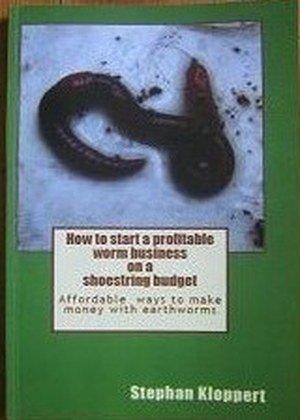
Want the whole plan?
Raising the worms, building beds, packaging, pricing and finding customers: it’s a lot to work out alone. I’ve written it all down in my book How to Start a Profitable Worm Business on a Shoestring Budget. The printed book and the Kindle edition are sold on Amazon.
See what’s inside the book →What can a worm business sell?
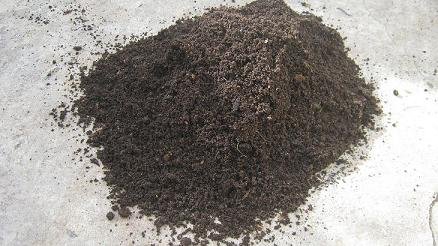
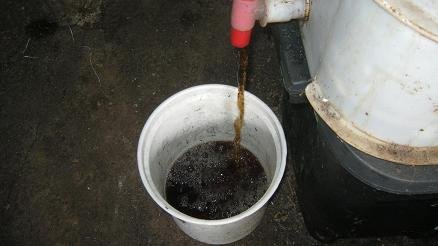
Worms for new worm farmers and for fishing bait, worm castings as organic fertiliser, and worm tea as liquid plant food. The book page lists who buys what. How much you earn depends on your market, your effort and how fast your herd grows, so I won’t promise a figure.
Where does the worm food come from?
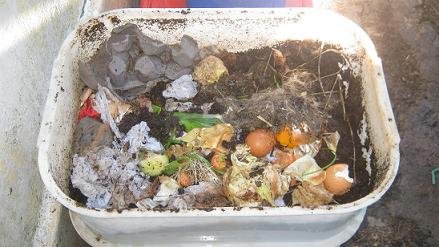
From organic waste that would otherwise go to landfill: kitchen scraps, garden clippings, manure and even dog poop in a separate bin. Ask neighbours, greengrocers and restaurants for their scraps. Used coffee grounds are fine, but feed them sparingly. The worm food rating list tells you what works.
Is it good for the environment too?
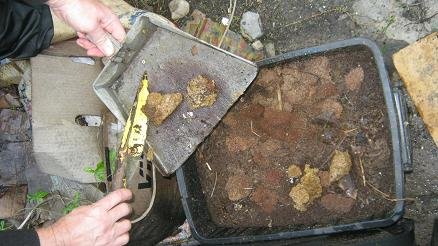
Yes. The world produces more and more organic waste, and in landfill it rots without air and releases methane. Worms turn it into castings instead. The humble earthworm, and the people who farm it, can help our society get on top of this problem.
How do I get started?
Get your breeding stock (you may not even need to buy it: see start a worm business without buying worms), then read how to start a worm business and what readers say about my book.
Just starting your first worm farm? The Easy Worm Farming Planner keeps you on track week by week.
Happy worming!
Stephan Kloppert
Nearly 30 years of worm farming in South Africa and Germany