Worm food: all you need to know
Worms eat nearly anything that has ever been alive and is now dead. Give them soft, decomposing scraps in small pieces, feed only half the surface at a time, avoid pesticide-treated garden waste and add citrus in moderation. 4000 worms eat about half a kg / 1 pound a day.
When it comes to worm food there is one basic rule: “Worms eat nearly anything that has ever been alive and is now dead!”
From kitchen scraps like apples, tea bags, coffee grounds or lettuce leaves to human hair, garden waste, old fruit, dog poop and other animal wastes, there is a virtually endless list of materials compost worms love to feed on.
Looking for a specific food? Check the worm food rating list (what compost worms can and can’t eat), or jump to: oranges and citrus peels · cardboard and newspaper · dog poop · other feces.
Enough food for your worms
Most people who have a worm bin at home will always have enough food for their worms in and around the household. In fact, the problem for many people is that they produce more organic waste than their worms can eat.
How much can worms eat?
Compost worms are blessed with a healthy appetite. 4000 compost worms can eat about half a kg / 1 pound of worm food per day. Under ideal circumstances they can eat even more. If all goes well your worms multiply quickly, and the more worms you have, the more food they eat.
How to feed your worms, step by step
1Give them soft, decomposing food
Earthworms don’t have teeth. They wait until the waste begins to decompose and eat only the parts that start to rot. So don’t be surprised if they seem to ignore the fresh lettuce leaves and apple core you added a day or two ago.
Compost worms don’t bite into their food, they actually suck it. The softer the food, the more they can eat. Compost itself is an excellent worm food.
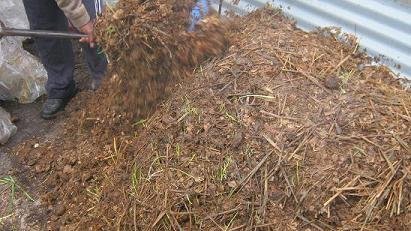
Compost is an excellent worm food 2Break it up (or freeze it)
Worms eat a rotting banana skin or soft fruit much faster than an egg shell, though over time they eat even the hardest organic waste. Help them by breaking bigger pieces into smaller chunks.
Another trick is to freeze kitchen scraps overnight. Once they defrost they are much softer.
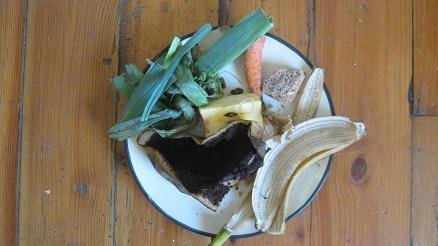
Many kitchen scraps make good worm food 3Feed only half of the surface
Never cover the whole surface of the bin with food. Add food over one half, and to the other half next time. If there is anything harmful in the food, the worms still have somewhere to escape to.
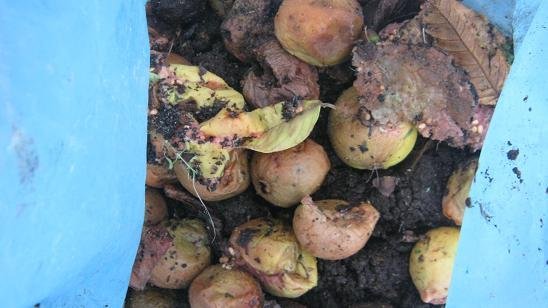
Guava fruit make an excellent worm food 4Add garden waste carefully
Make sure garden waste has not been treated with pesticides or insecticides; it might kill your worms. Worms gladly eat grass clippings, but add only a layer of about 5 to 10 cm / 2 to 4 inches at a time, or the grass may heat up as it decomposes.
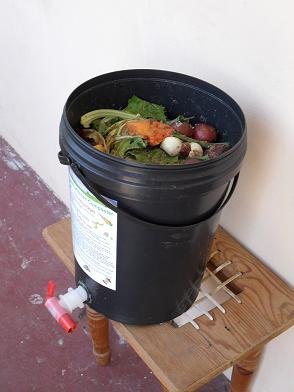
Vegetables and eggshells added to a worm bin 5Citrus in moderation
Much has been said about citrus peels and their acidity. In my opinion they are not a problem, as long as you add acidic food in moderation. The worms can eat it and then retreat into their safe bedding beneath. More on worms and orange peels.
Feeding your compost worms really is not rocket science! See what kitchen waste, garden waste and other organic matter builds up in your household and start feeding your hungry herd with it.
If you run into trouble, the troubleshooting guide and free helpline is there for you. And if you like to keep track of what you fed and when, the Easy Worm Farming Planner has a feeding log. All the best and happy worming!