How to start and keep an indoor worm farm
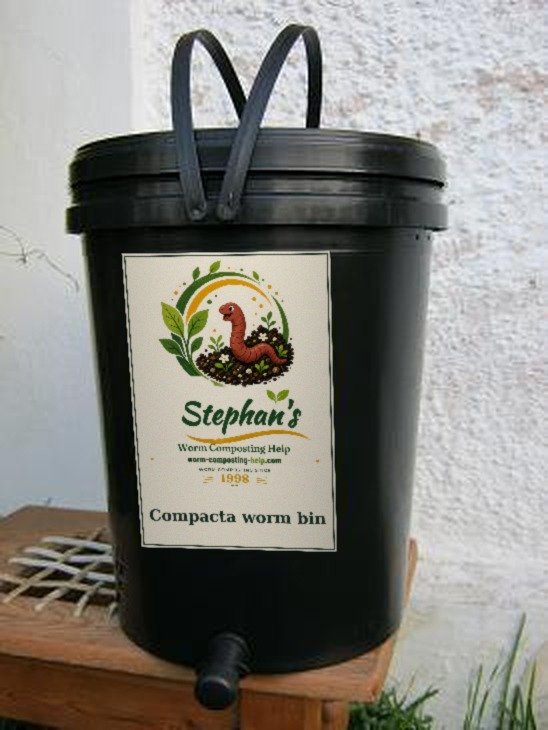
An indoor worm farm of about 20 litres / about 5 US gallons fits under a kitchen sink or on a shelf. Keep the lid closed and the air holes fly-proof, use a bin with a drainage tap, and don’t overfeed. A healthy bin smells like fresh forest soil.
Keeping worms in the kitchen still sounds a little strange to many people. But more and more homeowners and flat dwellers recycle their kitchen scraps with compost worms in a small indoor bin. It’s a clean affair. I have to admit that my own sense of smell was ruined years ago, when a doctor stopped a nosebleed for me (but that’s another story!). Still, my clients and friends all confirm that a healthy indoor worm farm doesn’t smell. That makes sense, because the worms eat exactly the parts of the scraps that are starting to rot.
New to worms? Start with the 4 things you need to start a worm farm. This page is about what’s different when the bin lives inside.
What size should an indoor worm farm be?
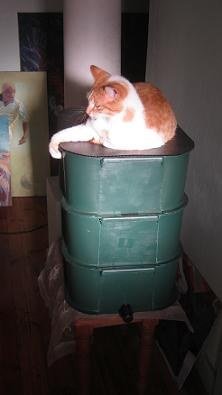
Most people keep their bin under the kitchen sink, in a cupboard or on a shelf, as I do in the kitchen, or in a storeroom. That way it’s easy to add scraps. So it shouldn’t be too big: I suggest a bin of no more than about 20 litres / about 5 US gallons.
How do I keep flies out of an indoor bin?
Insects can only get into an indoor worm farm through an open lid or through the air holes. Keep the lid properly closed, and make sure the air holes are too small for flies to crawl through. If you do get them, see fruit flies in the worm farm.
Will an indoor worm farm smell?
A worm bin only starts to stink for two reasons: more food than the worms can handle, or worms that have died. Both are rare if you follow a few simple rules. Feed a little at a time, keep the bedding as damp as a wrung-out sponge, and read feeding your worms. Indoors the bin also stays in the comfortable range of 5–29 °C (41–84.2 °F), ideally 15–25 °C (59–77 °F).
Why does an indoor worm farm need a tap?
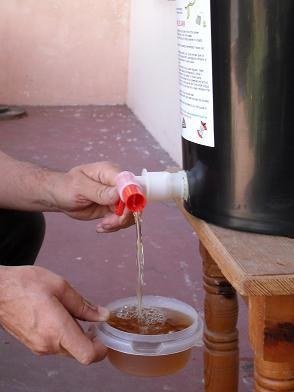
A tap lets you drain excess liquid, so the worms can’t drown and the bin stays sweet-smelling. Once your bin has built up plenty of castings, that liquid, called worm leachate, picks up nutrients and makes a nice organic fertiliser. Properly brewed worm tea is better still, but regular leachate clearly improved our own fruit and vegetables.
How do I look after it day to day?
Whenever you have scraps, open the lid, drop them in and close it again. Bury them lightly in the bedding to keep flies away. The worms turn the scraps into castings. When the bin is full, harvest the castings for your plants and put the worms back in. My harvesting guide shows how.
Is an indoor worm farm right for a flat?
Yes. It’s one of the best ways to recycle food waste if you have no garden. Pot plants and balcony boxes love the castings. Choose the right compost worms and prepare good worm bedding before they arrive.
Happy worming!
Stephan Kloppert
Nearly 30 years of worm farming in South Africa and Germany
Running your worm farm as a business? How to Start a Profitable Worm Business on a Shoestring Budget shows you the way.