Starting a green business: why worms are a good place to begin
A green business earns money while it protects or improves the environment. Solar, wind and large recycling plants usually need big capital or technical skills. Worm farming is a green business you can start with very little money and space, from waste, and grow at your own pace.
Things are thrown away faster than ever, and the amount of waste keeps growing. Green businesses help turn that around. When I compared green business ideas years ago, the deciding question for me was simple: which one can I actually afford to start? This page compares the options; why worm farming is sustainable is covered on worm farming as a sustainable business idea.
What kinds of green business are there?
- Renewable energy: solar, wind. High set-up cost; technical.
- Recycling: paper, glass, electronics, cans. Needs collection, transport and space.
- Organic growing: land, water and time to get certified where needed.
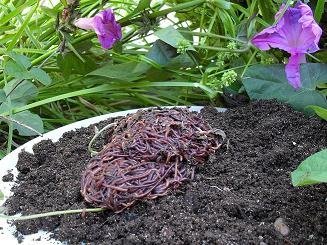
- Organic waste recycling with worms: low cost, small space, works at home.
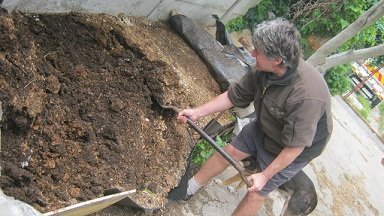
A green business on a shoestring
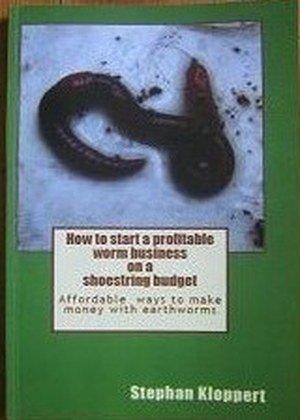
How I turned waste and a few worms into a small green business, without a big budget, is all in my book. I’ve written it all down in my book How to Start a Profitable Worm Business on a Shoestring Budget. The printed book and the Kindle edition are sold on Amazon.
See what’s inside the book →How do I choose the right green business?
Look at three things: your interests, your skills and your wallet. If you are not technical, energy may not suit you. If you cannot fund trucks and depots, large-scale recycling is hard. Whatever you choose, research it well and start small. A business plan helps if you need finance.
Why do worms suit a green start-up?
- Food scraps, garden waste and manure are worm food that often costs nothing.
- Worms multiply, so the herd grows without buying more.
- Castings and worm tea help gardeners and farmers use fewer synthetic inputs.
- You can learn at home before committing to anything big.
What does it take to keep it green?
Use trusted feedstock, avoid shipping heavy products long distances when local buyers exist, and reuse containers, such as old bathtubs, drums and buckets, for beds. Keep worms healthy rather than fighting problems with chemicals.
Next steps
Work through starting a worm composting business step by step, and see if running it from home suits you: working from home with worms. I teach worm farming and write about it; I do not sell worms, castings or other physical products myself.
Just starting your first worm farm? The Easy Worm Farming Planner keeps you on track week by week.
Happy worming!
Stephan Kloppert
Nearly 30 years of worm farming in South Africa and Germany