

How to harvest vermicast from a single worm bin
Stop feeding for about 2–4 weeks, tip the bin onto a tarp or table in soft light, shape the castings into a cone, and peel off the outer layers every 10 minutes as the worms dig away from the light. Put the worms back into fresh bedding and use the vermicast in the garden.
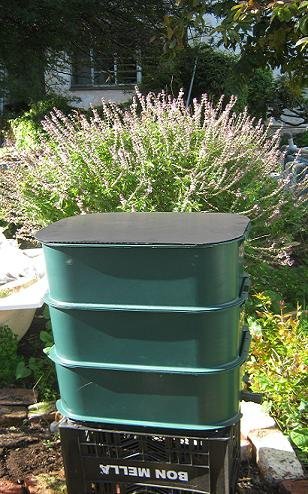
How to harvest vermicast is one of the questions I hear most often. In a stacking or 3-tier worm farm the worms move up into the next tray and you empty the finished castings they leave behind — that method is covered in how to harvest worm castings from stacking bins. This page is about the other case: a single bin, where you have to separate the worms from the vermicast yourself. The light (cone) method is simple, needs no special gear, and works well at home.
When is vermicast ready to harvest?
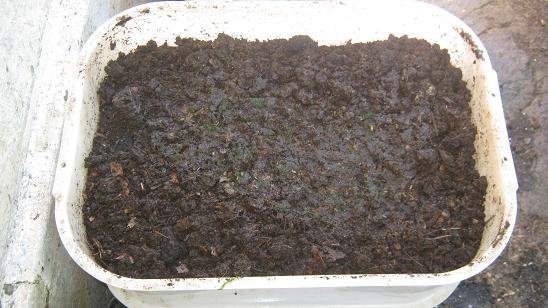
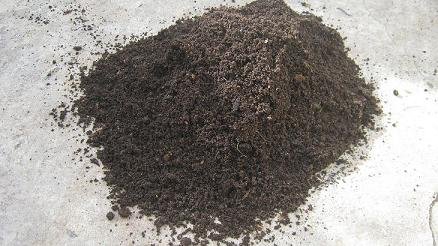
Finished vermicast (worm castings) looks dark and crumbly, smells like a forest floor, and has little or no recognisable food left in it. If you still see citrus peels, whole eggshells or big scraps, wait. Stopping food for a couple of weeks before harvest helps the worms finish what is left.
Want castings as a product line?
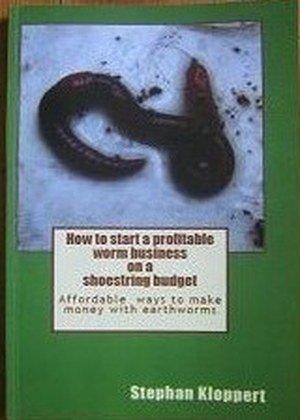
Harvesting is only half the story. Feeding schedules, beds, packaging and finding customers for castings and tea are covered in detail. I’ve written it all down in my book How to Start a Profitable Worm Business on a Shoestring Budget. The printed book and the Kindle edition are sold on Amazon.
See what’s inside the book →How does the light / cone method work?
On a mild, bright day (not hot midday sun that could cook the worms):
- Dump the contents of the bin onto a tarp or table outdoors.
- Shape the castings into a cone-shaped pile.
- Wait about 10 minutes. Compost worms hate light and dig deeper into the pile.
- Scrape off the outer layer of castings until you see worms again.
- Wait another 10 minutes, scrape again, and repeat until you have a pile of castings on one side and a ball of worms on the other.
Put the worms back into a prepared bin with fresh moist bedding and a little food. Use the castings in the garden, or see how to use worm castings.
Any tips that make harvesting easier?
- Castings hold a lot of water and get heavy. Let the top of the bin dry a little (still damp, not dusty) before you tip it out.
- Work in soft light or shade so the worms migrate without overheating.
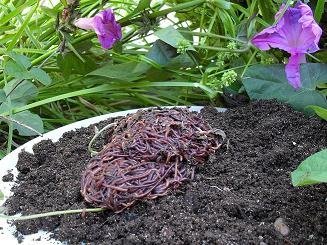
- Keep a few cocoons and small worms that stay in the castings — they are fine in the garden, or you can pick them back into the bin.
- Coffee grounds are fine worm food, but feed them sparingly; a bin overloaded with grounds is harder to harvest cleanly.
What if I have a stacking bin instead?
Use the upward-migration method instead of the cone. My step-by-step for that is how to harvest worm castings from stacking bins. For more harvest questions, see harvest worm castings Q&A.
What can I do with the harvested vermicast?
Mix into potting soil, add a handful to planting holes, top-dress around plants, or brew worm tea. If you want to sell castings, tea or worms, the production and packaging steps are in production of vermicast and how to granulate vermicompost. I teach this; I do not sell castings, worms or tea myself.
Just starting your first worm farm? The Easy Worm Farming Planner keeps you on track week by week.
Happy worming!
Stephan Kloppert
Nearly 30 years of worm farming in South Africa and Germany