Worm castings: amazing organic plant food
Worm castings (vermicompost) are worm poop: dark, crumbly, odourless soil conditioner packed with nutrients and helpful microbes. They release food slowly, never burn plants, and help soil hold water.
Worm castings are the real treasure of every worm farm. After nearly 30 years of worm farming, first in South Africa and then in Germany, I still get excited when a handful of castings revives a struggling plant. This page explains what castings are, why they work, how to use them, and how to harvest them. For tray-by-tray detail see how to harvest worm castings from stacking bins.
- What are worm castings?
- Why are worm castings so good for plants?
- What results have you had with castings?
- How do I use worm castings in the garden?
- How do I prepare the bin before harvesting castings?
- How long do worm castings keep their value?
- How do I get worm castings from my bin?
- What do finished castings look like?
- How much castings do plants need?
What are worm castings?
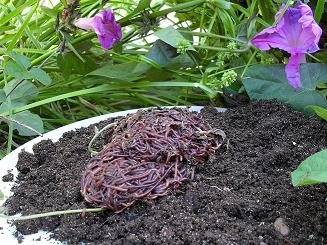
Worm castings, or vermicompost, is a fancy name for worm poop. As compost worms move through their bin they eat large amounts of organic matter — up to half their body weight a day — digest it and usually leave castings on top of the bedding. The result is dark, crumbly and smells like a forest floor. Gardeners often call them “black gold”.
Why are worm castings so good for plants?
As worms digest food they enrich it with calcium, magnesium, phosphates and nitrogen. Castings can contain up to 20 times more beneficial microorganisms than the organic matter the worms ate. They are water-soluble and release nutrients slowly as plants need them. They improve soil structure, raise water-holding capacity, and never burn plants however much you use.
You can mix castings with compost or kelp to make further soil products for gardeners and nurseries.
Can worm castings earn you money?
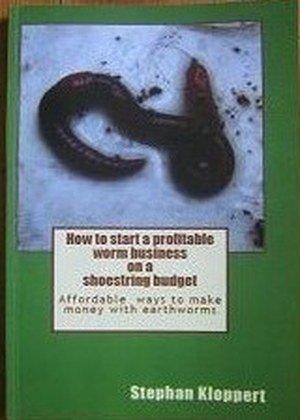
Gardeners, nurseries and organic growers pay well for good castings, and many worm farmers start small with them. I’ve written it all down in my book How to Start a Profitable Worm Business on a Shoestring Budget. The printed book and the Kindle edition are sold on Amazon.
See what’s inside the book →What results have you had with castings?
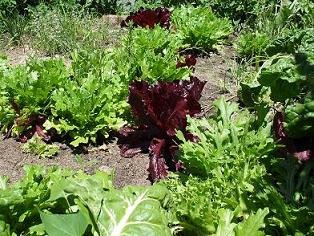
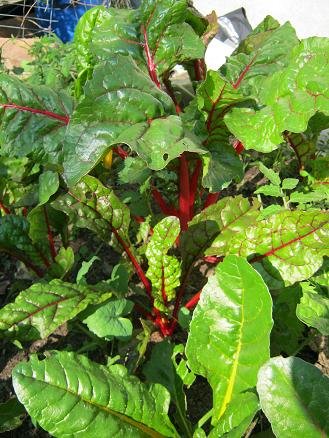
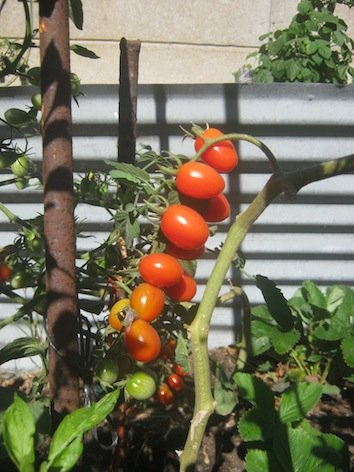
We grew fruit and vegetables in soil that was 80% sand with just 20% vermicompost. A single tomato plant gave more than 500 tomatoes in 3 months. Spinach grew to 50 cm / 20 in and kept yielding for more than 4 months.
How do I use worm castings in the garden?
- Potting mix: 1 part castings to 4 parts potting soil (the same 20% we used in sandy beds).
- Planting holes: a handful when you plant seedlings.
- Top dressing: a thin layer around plants, watered in.
- Liquid feed: brew into worm tea.
How do I prepare the bin before harvesting castings?
Harvest when the farm is nearly full. About one month before harvest, stop adding new food; only keep moisture right and let the worms finish what is there. Two to three days before harvest, add a layer of fresh food on top and cover it. Hungry worms gather near the surface. Then lift off the food plus about 5 cm / 2 inches of castings into buckets — that layer holds most of the herd. Harvest the finished castings below; sieve through chicken mesh if you want them finer. Store slightly moist, out of the sun.
How long do worm castings keep their value?
Castings are slow-release and keep feeding plants for up to 6 months. Store them slightly moist in a breathable bag or bucket out of the sun so microbes stay alive. Surplus castings have commercial value — see worm business.
How do I get worm castings from my bin?
In a stacking bin the worms move up to fresh food and you empty the bottom tray — stacking-bin harvest guide. Single bin: how to harvest vermicast. More Q&A: harvest worm castings. No bin yet? Starting a worm farm.
What do finished castings look like?
Finished worm castings have a crumbly, dark-brown structure — one reason gardeners call them black gold. They should smell like a forest floor, not like manure. If you still see lots of recognisable food, give the worms more time before you harvest.
How much castings do plants need?
Because castings never burn plants, you can be generous — but you rarely need more than about 20% by volume in a mix for strong results (the ratio behind our sandy-soil trials). A thin top dressing a few times a season is enough for established beds. For pots, refresh the top layer rather than filling the whole pot with pure castings, so drainage stays good.
Happy worming!
Stephan Kloppert
Nearly 30 years of worm farming in South Africa and Germany
Just starting your first worm farm? The Easy Worm Farming Planner keeps you on track week by week.