Vermicompost business: how to sell worm castings as a product
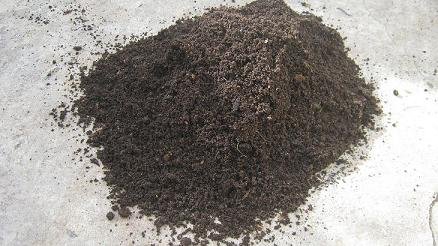
Vermicompost is easy to produce once you can keep worms well. Selling it is the hard part. Find buyers before you scale up: local gardeners, nurseries, organic growers, landscapers and garden shops. Sell a clean, consistent, well-labelled product, and grow production to match real orders.
Reader questionMohsen, Hamedan, Iran
“Hello, I am a vermicompost farmer in Iran. I have several 100 tons of vermicompost / worm castings in stock. I am looking for a buyer to sell my compost to. Can you help me?”
Mohsen’s problem is common: producing vermicompost is one thing, finding buyers is another. I do not buy or sell vermicompost myself. You can add a business like Mohsen’s to the worm business directory so buyers can find it. This page is about vermicompost as a product: who buys it and how to present it. How to produce it is covered in production of vermicast.
Who buys vermicompost?
- Home gardeners: small bags, often at markets or by word of mouth.
- Nurseries and garden centres: potting-mix ingredient or shelf product.
- Organic vegetable growers and orchards: bulk, if price and supply are steady.
- Landscapers and turf / golf maintenance: top-dressing and planting holes.
Start with the closest, smallest buyers. Large stocks with no buyers, like Mohsen’s, are what happens when production grows before sales.
Selling castings is a skill you can learn
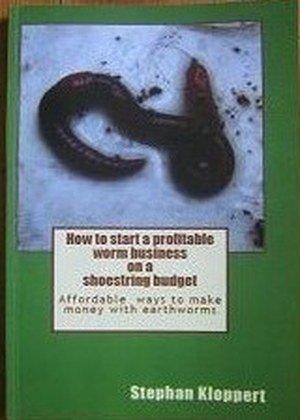
Product lines, customers and selling castings without a big budget are covered in the book. I’ve written it all down in my book How to Start a Profitable Worm Business on a Shoestring Budget. The printed book and the Kindle edition are sold on Amazon.
See what’s inside the book →What makes vermicompost sellable?
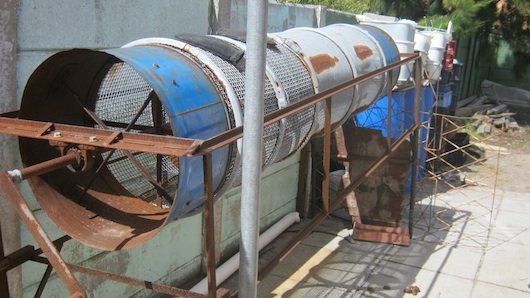
- Clean: screened, with no plastic, stones or big scraps.
- Consistent: the same feedstock and moisture every batch.
- Honest label: what it was made from, date, how to use it, and any local fertiliser rules.
- Safe feedstock: castings from dog poop or human manure are not for food crops.
Bulk or bagged?
Bulk sales move volume but at lower prices and with transport costs. Small bags take more work per kilogram but suit gardeners. Dried granules ship and store better; see how to granulate vermicompost. Many growers sell both, plus worms and worm tea from the same herd.
How do I find the first customers?
Give small samples to gardeners and nurseries, show before-and-after plants, sell at local markets, and list your business in directories. Let people see your beds. Trust sells vermicompost better than any advert.
How is this page different from the other business pages?
This page is about vermicompost as a product. For getting started, read how to start a worm business and starting a worm composting business. I teach worm farming and write about it; I do not sell worms, castings or other physical products myself.
Just starting your first worm farm? The Easy Worm Farming Planner keeps you on track week by week.
Happy worming!
Stephan Kloppert
Nearly 30 years of worm farming in South Africa and Germany