Worm farming as a sustainable business idea
A business is sustainable when it can keep going without using up what it depends on. Worm farming fits: the raw material is waste other people throw away, the worms multiply themselves, and the products (castings, worm tea, worms) go back into soil. Start-up costs are low enough to begin small.
“Sustainable” is used for almost everything these days. I use a simple test: could the business go on for a very long time while helping the people and the land it touches? An oil well fails that test sooner or later. When I looked for a sustainable business idea of my own, I liked solar, wind and recycling, but most needed far more money than I had. Worm farming did not, and I have now worked with worms for nearly 30 years in South Africa and Germany.
Why is worm farming sustainable?
- Waste in, value out: kitchen scraps, garden waste, manure and cardboard become food for the worms.
- A self-renewing herd: compost worms breed, so you do not buy new stock every season.
- Products that build soil: worm castings and worm tea feed plants and soil life.
- Low energy: no big machines are needed at the start; a shovel, bins and shade do the job.
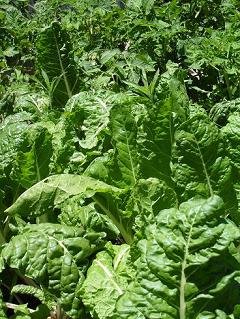
A business that runs on waste
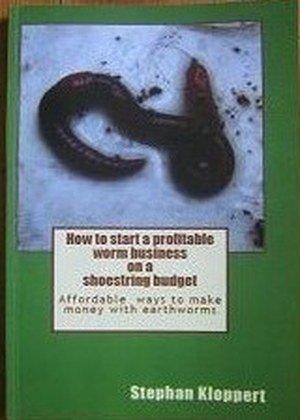
In my book I describe how I started a worm business with very little money and kept it running. I’ve written it all down in my book How to Start a Profitable Worm Business on a Shoestring Budget. The printed book and the Kindle edition are sold on Amazon.
See what’s inside the book →What does “closing the loop” look like in practice?
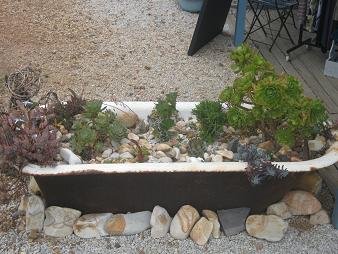
Food scraps go into the bin, worms turn them into castings, castings go onto the vegetable beds, and the vegetable trimmings go back to the worms. Many items people throw away can be reused, such as an old bathtub as a worm bed or a planter. For the environmental benefits at home, see benefits of worm composting.
Is a sustainable business automatically profitable?
No. It still needs customers, sensible prices and steady work. Sustainability helps you sell (many gardeners actively look for local, organic soil products), but the business side is the same as for any small business. For the money questions, see home business opportunity and Q&A on starting a profitable worm business.
What should I avoid to keep it sustainable?
- Feeding material you cannot trust (treated wood, chemical-laden waste).
- Overfeeding citrus, onions or coffee grounds — coffee grounds are fine, but feed sparingly.
- Growing faster than your herd and your customers can handle.
Where do I go from here?
For a broader look at eco-friendly business ideas, read starting a green business. For the practical first steps, see starting a worm composting business. I teach worm farming and write about it; I do not sell worms, castings or other physical products myself.
Just starting your first worm farm? The Easy Worm Farming Planner keeps you on track week by week.
Happy worming!
Stephan Kloppert
Nearly 30 years of worm farming in South Africa and Germany